
Printing Plastic Pallets
Move paper stacks, printed sheets, paperboard and packaging materials through storage, printing and finishing with a pallet selected around the actual load and workflow.
- Six product groups from 800 × 600 mm to 1600 × 1200 mm
- Flat, ribbed/slatted and slotted top configurations
- Nestable options for more efficient empty-pallet storage
- PP and HDPE options on selected models
- Drawing review, samples and pre-shipment inspection available
Send your paper dimensions, loaded weight, current pallet size, handling equipment and required quantity.
 6 product groups · 800–1600 mm
What Is a Printing Plastic Pallet?
A printing plastic pallet is a material-handling pallet used to support paper, board, printed sheets and related materials during storage, press-side staging, production transfer, finishing or dispatch. Depending on the application, it may have a flat, slotted or ribbed deck and a nestable or runner-style base. It is different from the platen used to hold garments or other substrates in screen printing.
Compare Preface Plast Printing Plastic Pallets
Use this collection as an initial comparison. Final selection should be confirmed against the real paper footprint, equipment interface, storage method and load condition.
Showing all 6 product groups.
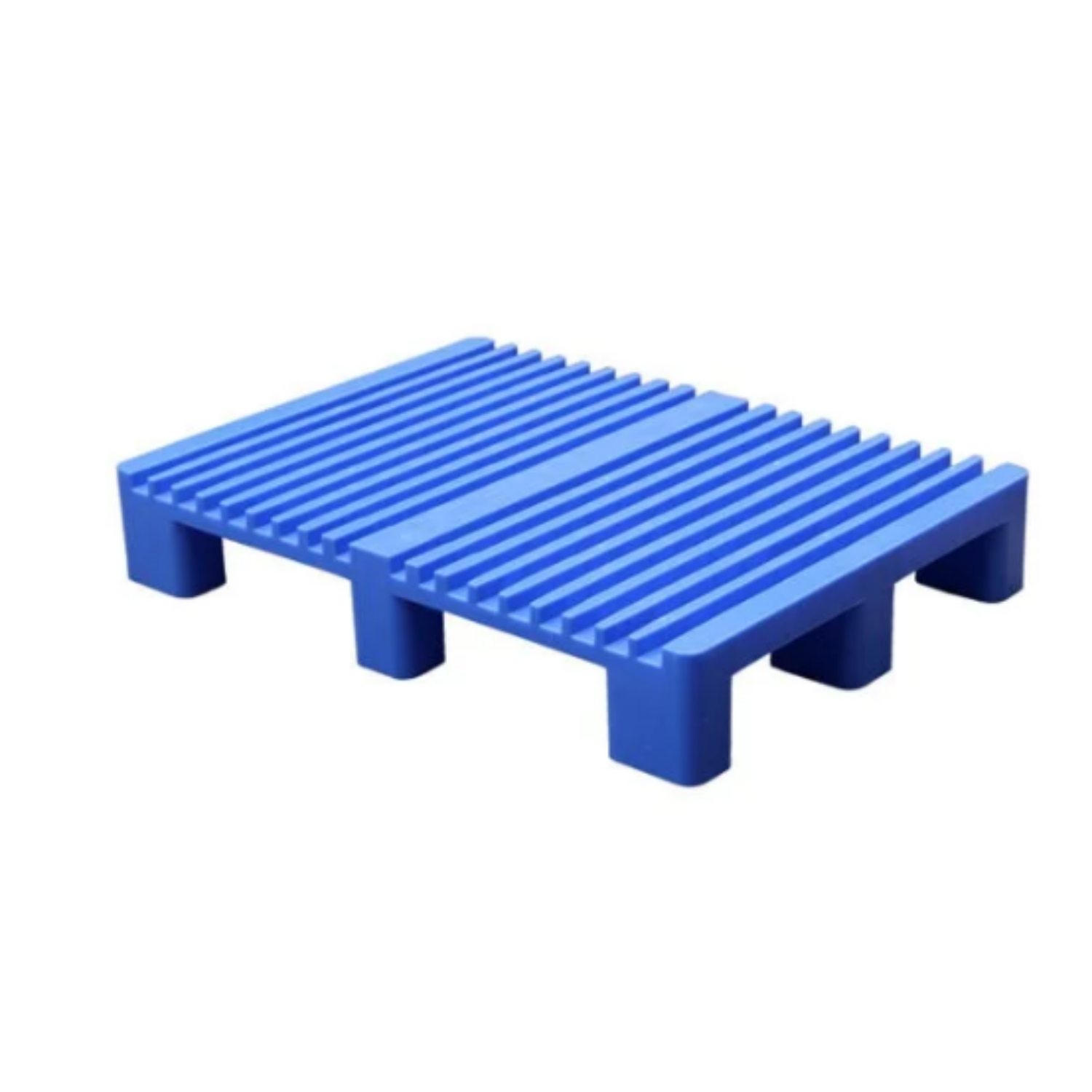
1050 × 760 × 175 mm 9-Leg Slotted-Top Pallet
A slotted-deck option for paper handling, printing operations and packaging-material transfer with four-way handling access.
- Material
- PP / HDPE
- Base
- 9 legs
- Dynamic
- 1,000 kg
- Static
- 1,500 kg
- Forklift
- 4-way
- Pallet jack
- 4-way
A slotted top is not proof of compatibility with every non-stop feeder. Confirm slot geometry, height and press interface.
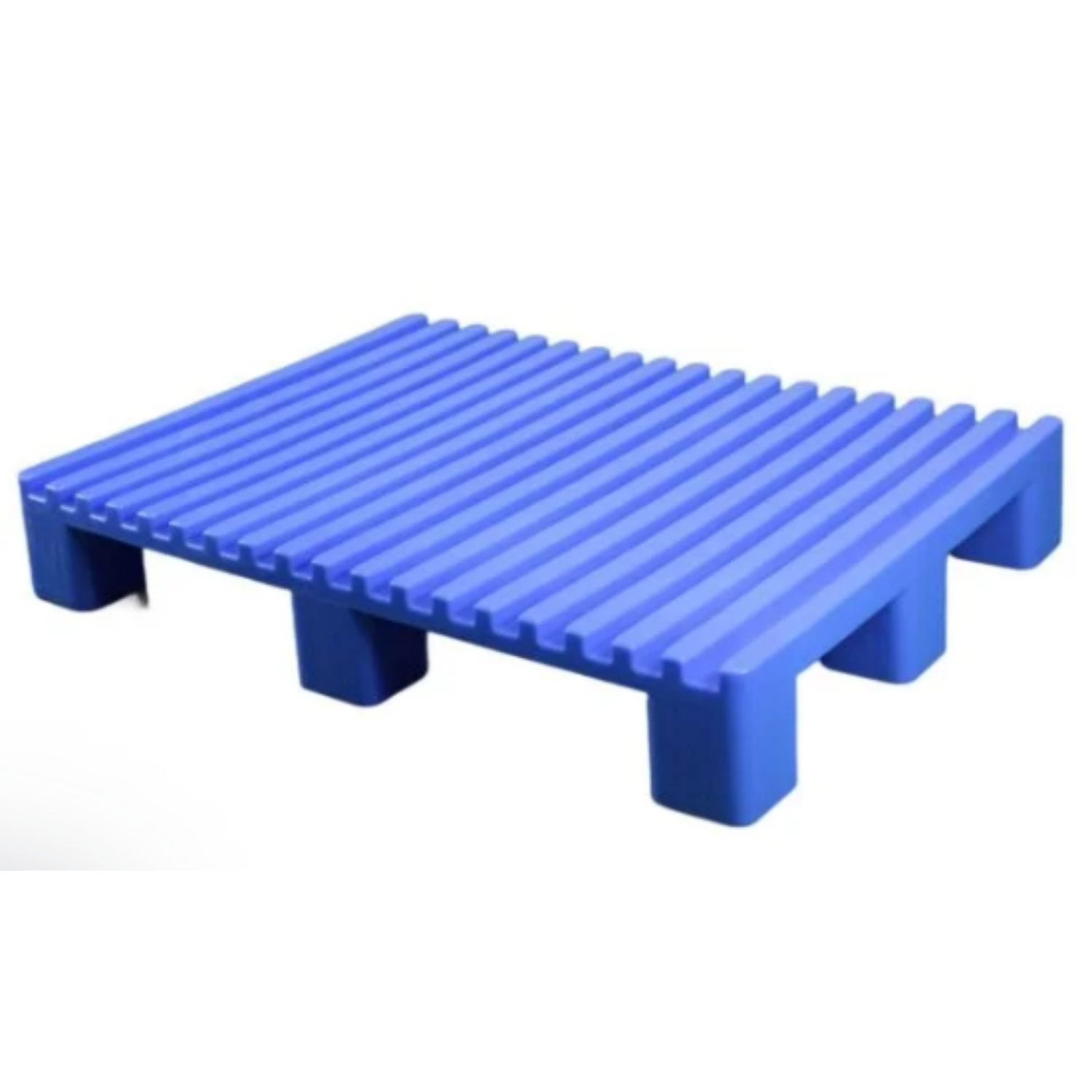
960 × 720 × 150 mm 9-Leg Printing Pallet
A compact ribbed/slatted-deck model for paper storage, printed-material handling and short-distance in-plant movement.
- Material
- PP / HDPE
- Base
- 9 legs
- Dynamic
- 1,000 kg
- Static
- 1,500 kg
- Forklift
- 4-way
- Pallet jack
- 4-way
For loose sheets, compare the paper footprint with the real deck-contact pattern and check unsupported edges.
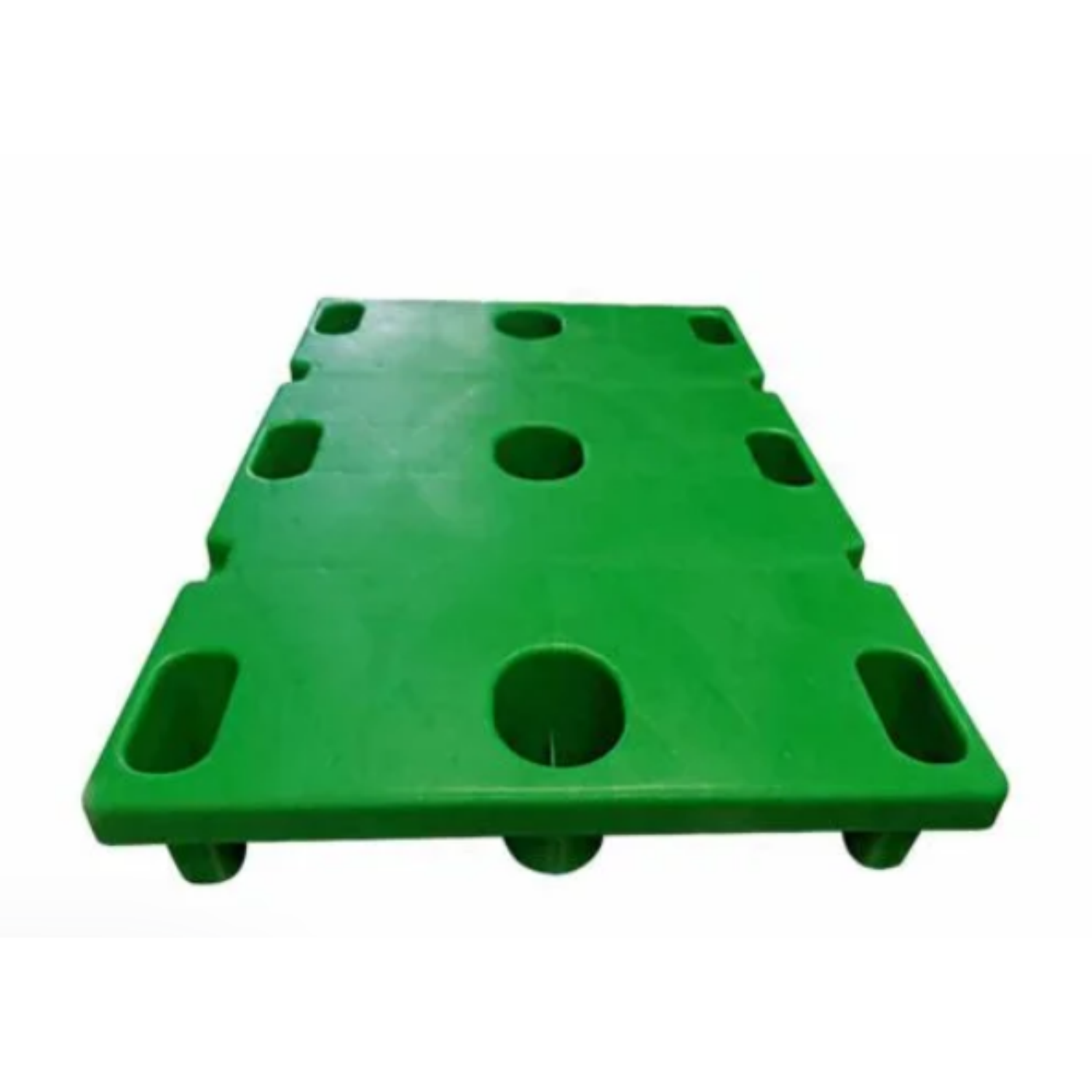
950 × 650 × 140 mm 9-Leg Nestable Pallet
A flat-top, nestable option for lighter paper staging and printing workflows where empty-pallet storage volume matters.
- Material
- Confirm
- Base
- 9-leg nestable
- Dynamic
- 500 kg
- Static
- 800 kg
- Forklift
- 4-way
- Pallet jack
- 4-way
Nestability describes empty pallets. It does not establish loaded stacking, rack or conveyor suitability.
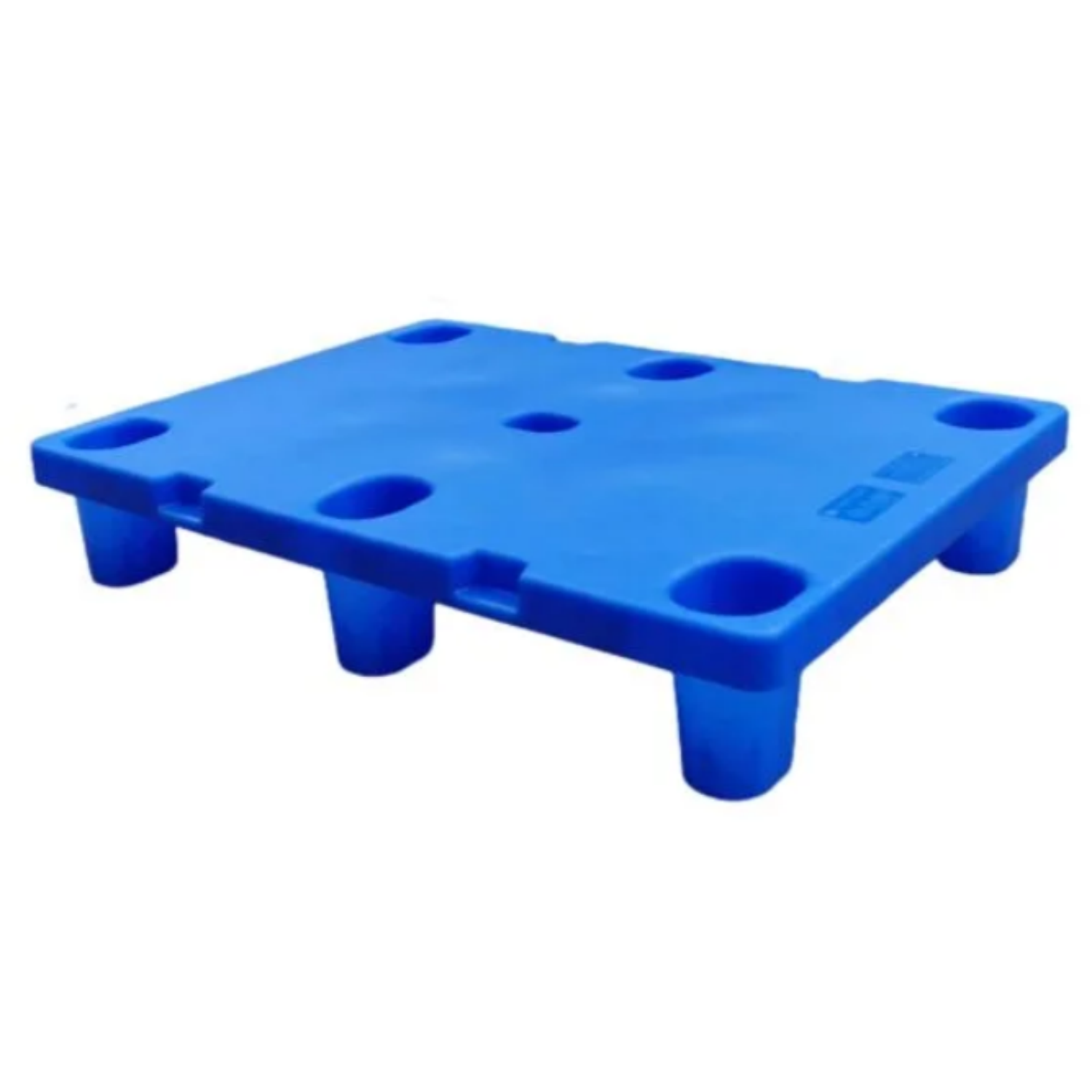
800 × 600 × 140 mm 7-Leg Nestable Pallet
A compact flat-top printing-workshop pallet with seven legs and four-way forklift and pallet-jack access.
- Material
- PP / HDPE
- Base
- 7-leg nestable
- Dynamic
- 500 kg
- Static
- 800 kg
- Rackable
- No
- Loaded stack
- Not designed
Use for compatible floor-level handling. This model is not rackable and not designed for loaded stacking.
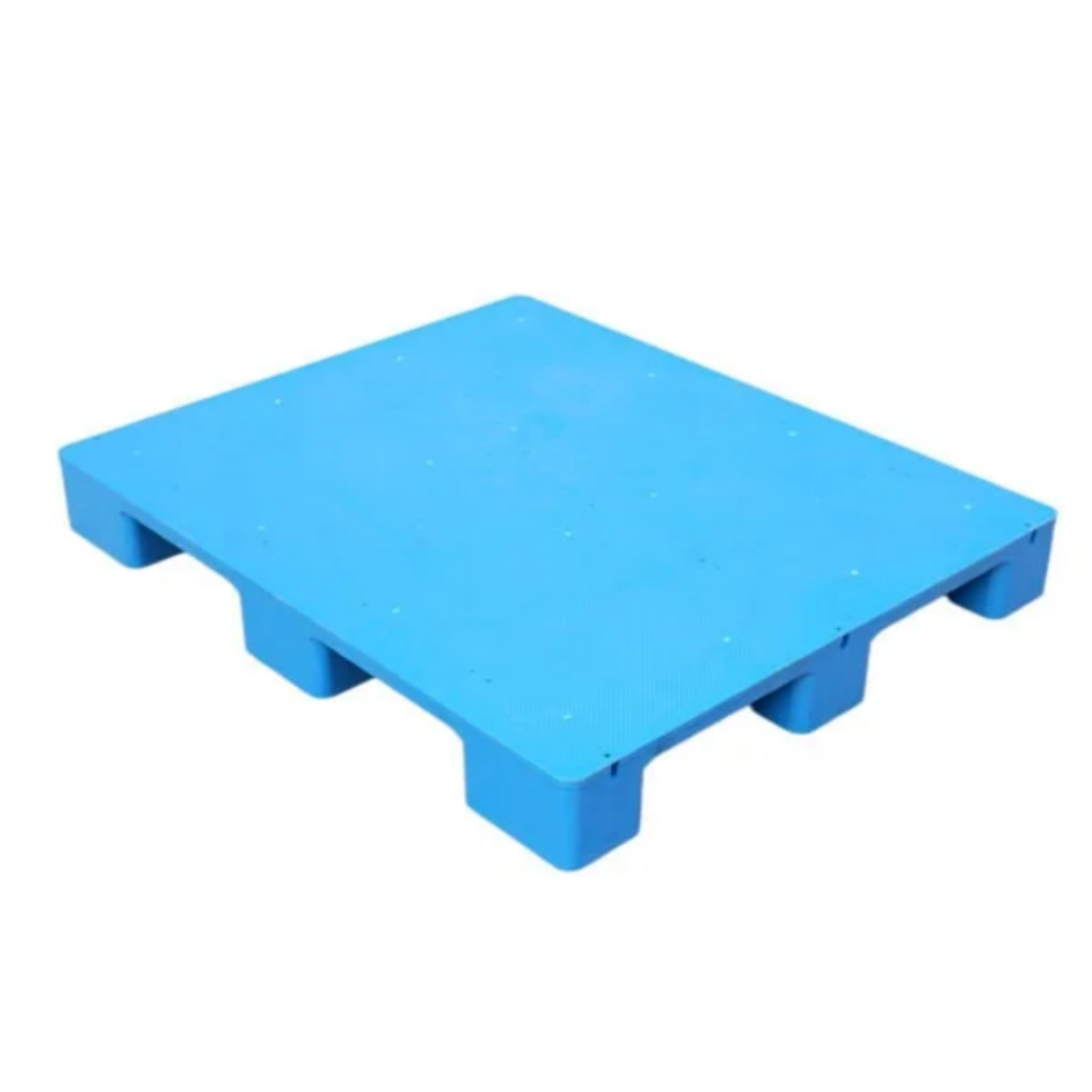
9-Leg Flat-Top Printing Pallet Series
Ten footprints from 800 × 650 mm to 1250 × 900 mm help match different paper and printed-sheet formats.
- Deck
- Flat top
- Base
- 9 legs
- Dynamic
- 300–1,000 kg
- Static
- 500–3,000 kg
- Material
- PE / PP / confirm
- Formats
- 10 published
Material and weight are not published for every variant. Confirm the exact size and configuration in the quotation.
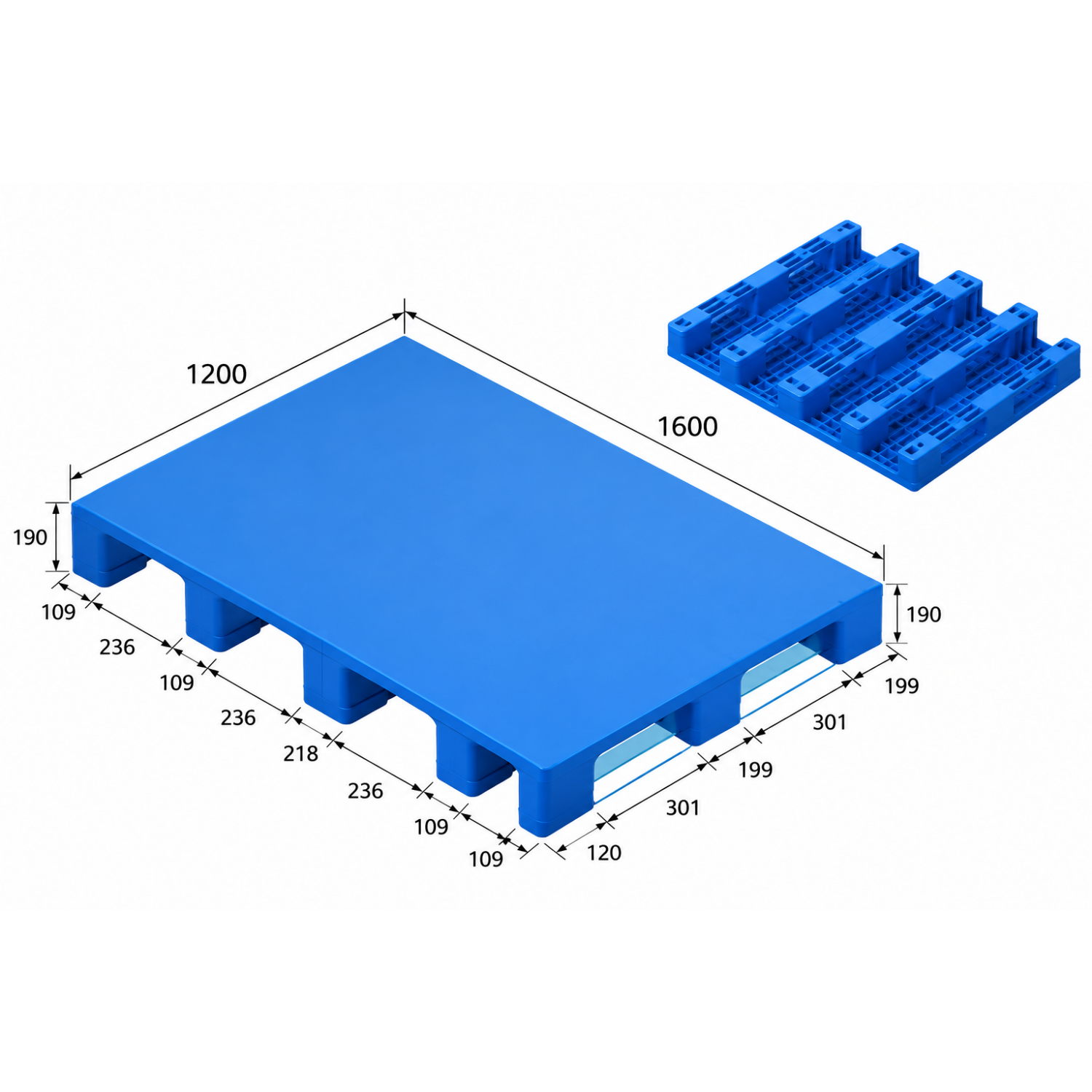
ENL1612-190 · 1600 × 1200 × 190 mm
A broad flat deck and five-leg/runner-style base for oversized sheets, large-format staging and heavy internal loads.
- Material
- Confirm
- Base
- 5 legs / runner
- Dynamic
- 2,000 kg
- Static
- 5,000 kg
- Entry
- 4-way
- Fork options
- 450 / 550 / 680 mm
The 5,000 kg figure is static capacity. It must not be interpreted as a dynamic or racking rating.
| Product | Deck and base | Published capacities | Initial application direction |
|---|---|---|---|
| 1050 × 760 × 175 mm | Slotted top, 9 legs | 1,000 kg dynamic / 1,500 kg static | Slotted-deck paper and printing workflows |
| 960 × 720 × 150 mm | Ribbed/slatted, 9 legs | 1,000 kg dynamic / 1,500 kg static | Compact paper and printed-material handling |
| 950 × 650 × 140 mm | Flat top, 9-leg nestable | 500 kg dynamic / 800 kg static | Light-duty printing and empty returns |
| 800 × 600 × 140 mm | Flat top, 7-leg nestable | 500 kg dynamic / 800 kg static | Compact floor handling; no racking or loaded stacking |
| 9-leg flat-top series | Flat top, 9 legs | Varies by size | Size-specific paper and printed-sheet support |
| ENL1612-190 | Flat top, 5 legs/runner | 2,000 kg dynamic / 5,000 kg static | Oversized sheets and large-format production |
View all 10 published sizes in the flat-top series
| Dimensions | Material | Weight | Dynamic | Static |
|---|---|---|---|---|
| 800 × 650 × 140 mm | PE | 6.5 kg | 600 kg | 2,000 kg |
| 860 × 730 × 140 mm | PP | 6.8 kg | 600 kg | 2,000 kg |
| 1000 × 700 × 140 mm | PE | 8.9 kg | 300 kg | 500 kg |
| 1000 × 800 × 140 mm | PE | 10 kg | 1,000 kg | 2,500 kg |
| 800 × 800 × 145 mm | Confirm | Confirm | 600 kg | 2,000 kg |
| 1000 × 1000 × 140 mm | Confirm | Confirm | 1,000 kg | 2,000 kg |
| 1100 × 800 × 160 mm | Confirm | Confirm | 1,000 kg | 2,000 kg |
| 1200 × 800 × 170 mm | Confirm | Confirm | 1,000 kg | 3,000 kg |
| 1200 × 1000 × 140 mm | Confirm | Confirm | 1,000 kg | 2,500 kg |
| 1250 × 900 × 140 mm | Confirm | Confirm | 1,000 kg | 3,000 kg |
The correct pallet is defined by the paper and process—not the biggest load number.
Send the paper dimensions, load, handling equipment and quantity to compare the most relevant model before ordering a sample or approving production.
Solve Paper-Handling Problems a Generic Pallet May Leave Unresolved
The pallet should support the paper, fit the work area and interface safely with every stage of the route.
Unsupported Paper Edges
Select a closer footprint and deck pattern to reduce unstable piles and avoidable pressure points beneath bottom sheets.
Wood Splinters and Nails
Plastic removes loose boards, splinters and exposed fasteners from the route, while still requiring inspection and cleaning.
Restricted Work Areas
Compact 800 × 600, 950 × 650 and 960 × 720 mm options can suit smaller paper formats and tighter routes.
High Empty-Return Volume
Nestable models can reduce empty storage and returns. This advantage does not prove loaded stacking or rack suitability.
Oversized Printed Material
The ENL1612-190 offers a 1600 × 1200 mm deck for sheets beyond compact printing-pallet footprints.
Equipment-Interface Risk
Deck slots, height, fork openings and bottom geometry should be checked against the press, truck, conveyor or AGV.
Plastic Pallets for Printing, Paper and Converting Operations
Choose around real loads and hand-off points. If the pallet enters a machine, compatibility becomes a separate approval step.
Sheet-Fed Offset
Paper staging, press-side supply, delivery piles and finishing transfer. Confirm the press and feeder interface.
Digital Printing
Compact flat-top or nestable pallets for multiple paper formats and frequent department-to-department movement.
Packaging Printing
Move paperboard and carton blanks through printing, coating, die-cutting, folding and packing.
Paper Storage
Check sheet footprint, stack condition, total weight, storage time and support method before staging.
Post-Print Finishing
Transfer sheets between coating, cutting, folding, binding and packing with fewer re-stacking steps.
Large Format
Review the 1600 × 1200 mm model for oversized printed sheets and heavy internal logistics.
Return Logistics
Reduce empty-return volume with a nestable structure after validating every loaded stage first.
Paperboard Handling
Match broad support, surface contact and bundle condition to the converted material carried.
Press-Side Review
Confirm height and interface geometry—not just length and width.
Compact Internal Transfer
Balance sheet support against maneuverability and empty storage.
Oversized Sheets
Review load distribution and handling access for broad formats.
Check Printing Press, Feeder and Handling Compatibility
A matching length and width do not prove a pallet will work with a printing press. Height, deck geometry, slots, pile position and removal direction can all affect the interface.
What Is a Non-Stop Feeder Pallet?
It forms part of a pile-change process in which remaining sheets are temporarily supported while an empty pallet is removed and a new pile introduced.
Important: the interface may use slots, rods, a rake or a dedicated system. Not every slotted pallet is universal.
Information for a Press Review
- Press brand and exact model
- Feeder, delivery or transfer use
- Existing pallet drawing and height
- Sheet, pile and maximum load
- Slot, rod or rake layout
- Entry and removal direction
Conveyor, AGV and ASRS Review
Provide roller diameter and spacing, chain centers, AGV fork geometry, pickup direction, rack support span, load distribution and allowable deflection.
Four-way entry or a high static rating does not automatically establish automation compatibility.
How to Choose a Plastic Pallet for Printing Operations
Start with the paper load and complete movement route—not the largest capacity in a table. This tool creates a shortlist, not an engineering approval.
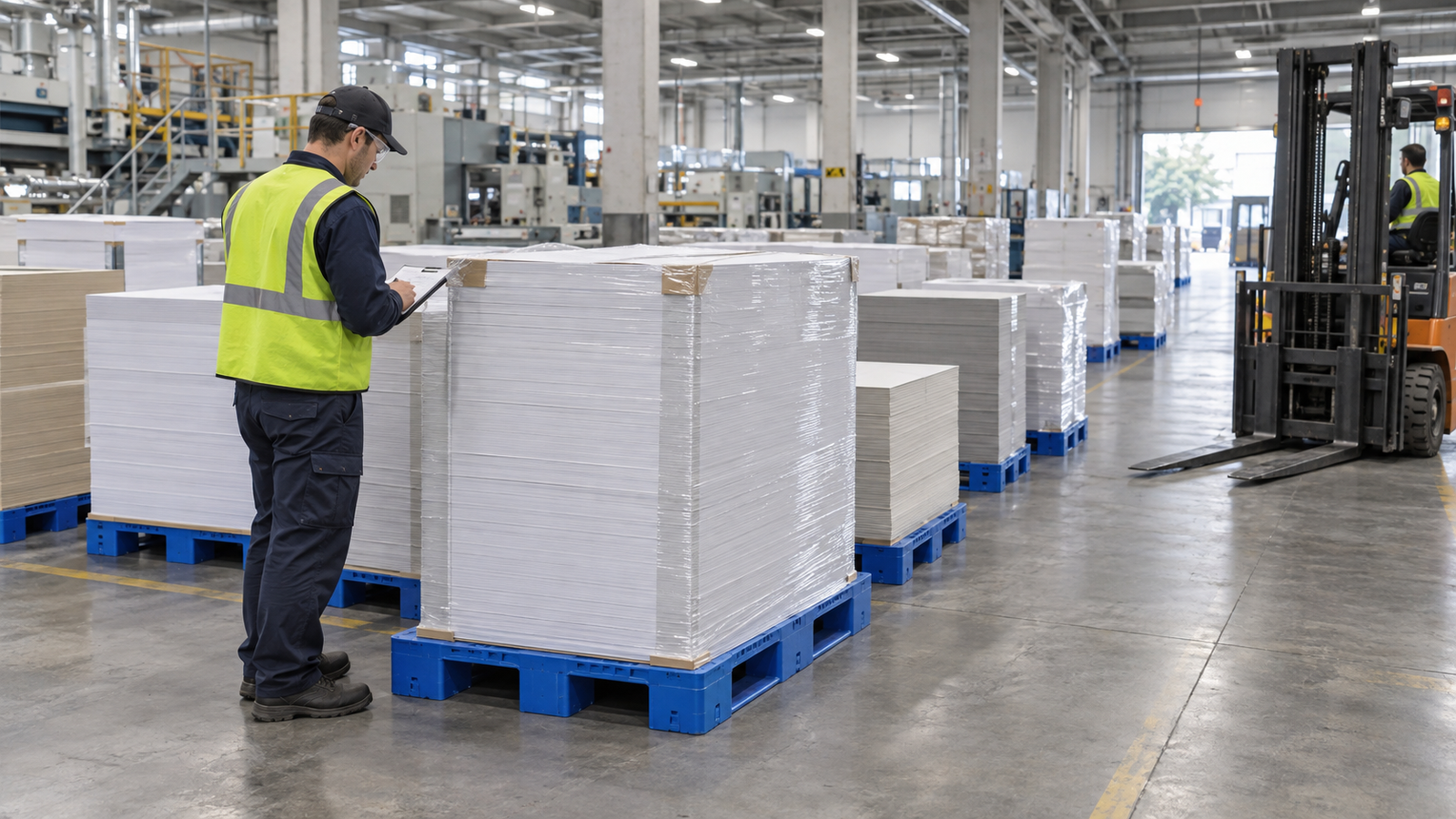
Suggested products to review
Choose the closest conditions and run the tool. The result will identify starting candidates and checks still required.
| Selection question | Why it matters |
|---|---|
| What exactly touches the deck? | Loose sheets, wrapped paper, cartons and rolls distribute load differently. |
| Does the pallet enter a press? | A press interface can require more than matching overall dimensions. |
| How much deck contact is required? | Flat, slotted and ribbed surfaces support bottom sheets differently. |
| Is empty nesting important? | Nesting saves empty space but does not prove loaded stacking or rack suitability. |
| Which equipment handles it? | Forklifts, pallet jacks, conveyors and AGVs have different clearances. |
| Where and how long is it stored? | Support conditions, time and temperature influence plastic deflection. |
Flat, Slotted or Ribbed?
Choose flat where broad deck contact is the priority. Use slotted or ribbed only after checking openings and contact pattern.
7 Legs, 9 Legs or Runners?
Leg designs support compact floor handling; runner-style bases may add directional support. Check truck and conveyor contact.
PP, PE or HDPE?
Material must be evaluated with structure and environment. Resin grade, recycled content, additives and temperature matter.
Understand Printing Pallet Load Ratings Before Comparing Models
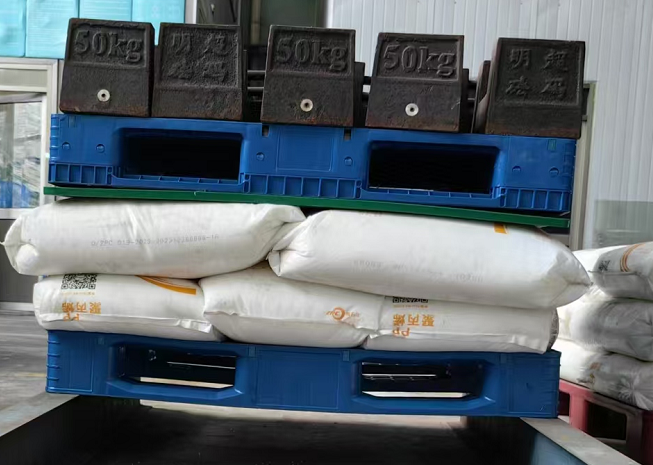
Static, dynamic and racking ratings describe different support and handling conditions. They are not interchangeable.
Static Load
A pallet resting under defined stationary support conditions. It does not describe safe carrying on forks or rack beams.
Dynamic Load
A pallet lifted or moved by suitable handling equipment under defined conditions. Fork position, acceleration and floor condition matter.
Racking Load
A pallet supported on specified beams, rails or limited points. A high static capacity does not make a pallet rackable.
Technical Data to Request for Critical Applications
- Latest product drawing and material options
- Product weight and tolerance
- Length, width, height and diagonal tolerance
- Deck contact and slot dimensions
- Fork openings and pallet-jack wheel path
- Foot or runner locations
- Reinforcement, if any
- Test conditions and loaded deflection
Configure the Pallet Around Your Paper Format and Handling System
If the six existing groups do not match the footprint or interface, Preface Plast can review a modified or custom plastic pallet project.
Geometry
Length, width, height, flat/slotted/ribbed deck, slot direction, width, depth and position.
Handling
Leg or runner configuration, forklift clearance, pallet-jack wheel paths and justified reinforcement.
Material & Identity
Material, color, ownership logo, barcode, QR code or RFID location.
Tooling Boundary
Color or logo may use an existing mold; changed footprint, slots, feet or runners may need tooling.
Custom Development Process
- Submit the load, press and handling information.
- Compare existing molds before proposing new tooling.
- Confirm concept, drawing, material and critical dimensions.
- Agree tooling cost, ownership, trial quantity and lead time.
- Produce or select a sample for application testing.
- Freeze the approved specification before mass production.
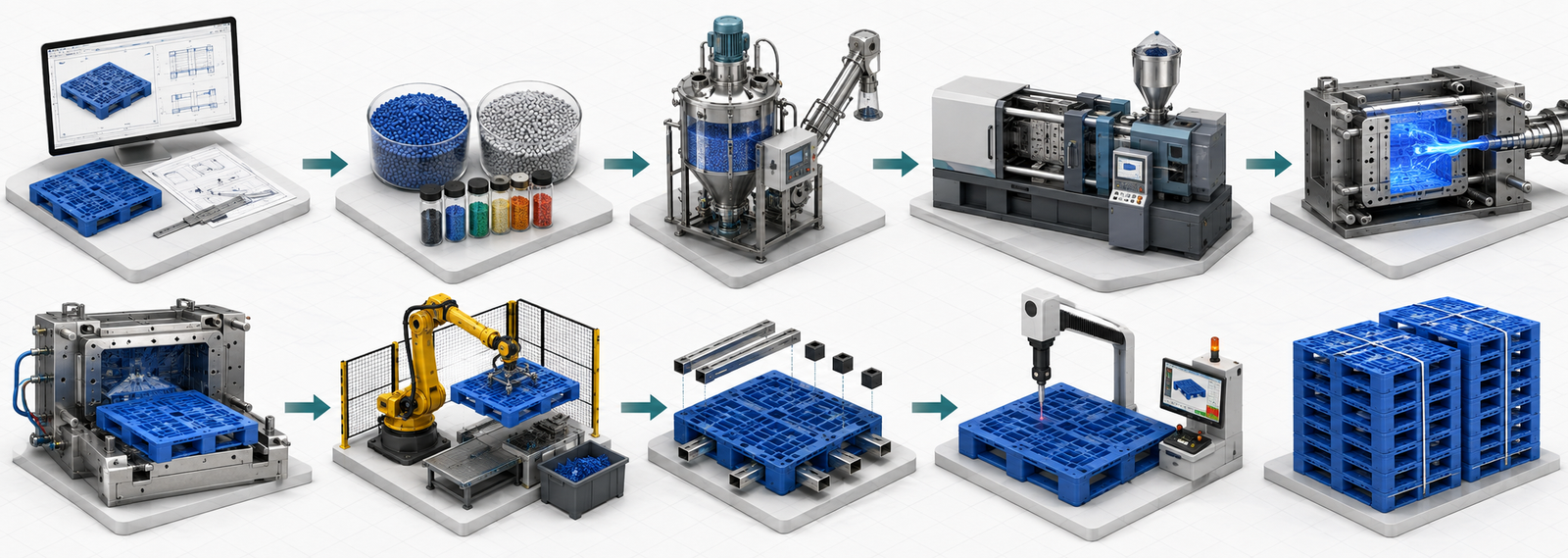
Control the Features That Affect Paper and Equipment Compatibility
Visual inspection alone cannot confirm a printing pallet. Agree the material, dimensions, deck, base, slots, handling clearances and acceptance method.
Recommended Inspection Points
- Material, color and product weight
- Length, width, height and diagonal
- Deck condition and agreed flatness method
- Slot width, depth and position
- Forklift and pallet-jack openings
- Foot or runner positions
- Logo, nesting/stacking fit and export packing
Sample-to-Production Consistency
The order specification should record the configuration tested. Material, weight, reinforcement or mold changes that can affect performance should require approval.
This video provides a general reference for plastic pallet handling and quality. Request model-specific test evidence and operating conditions when evaluating a printing pallet.
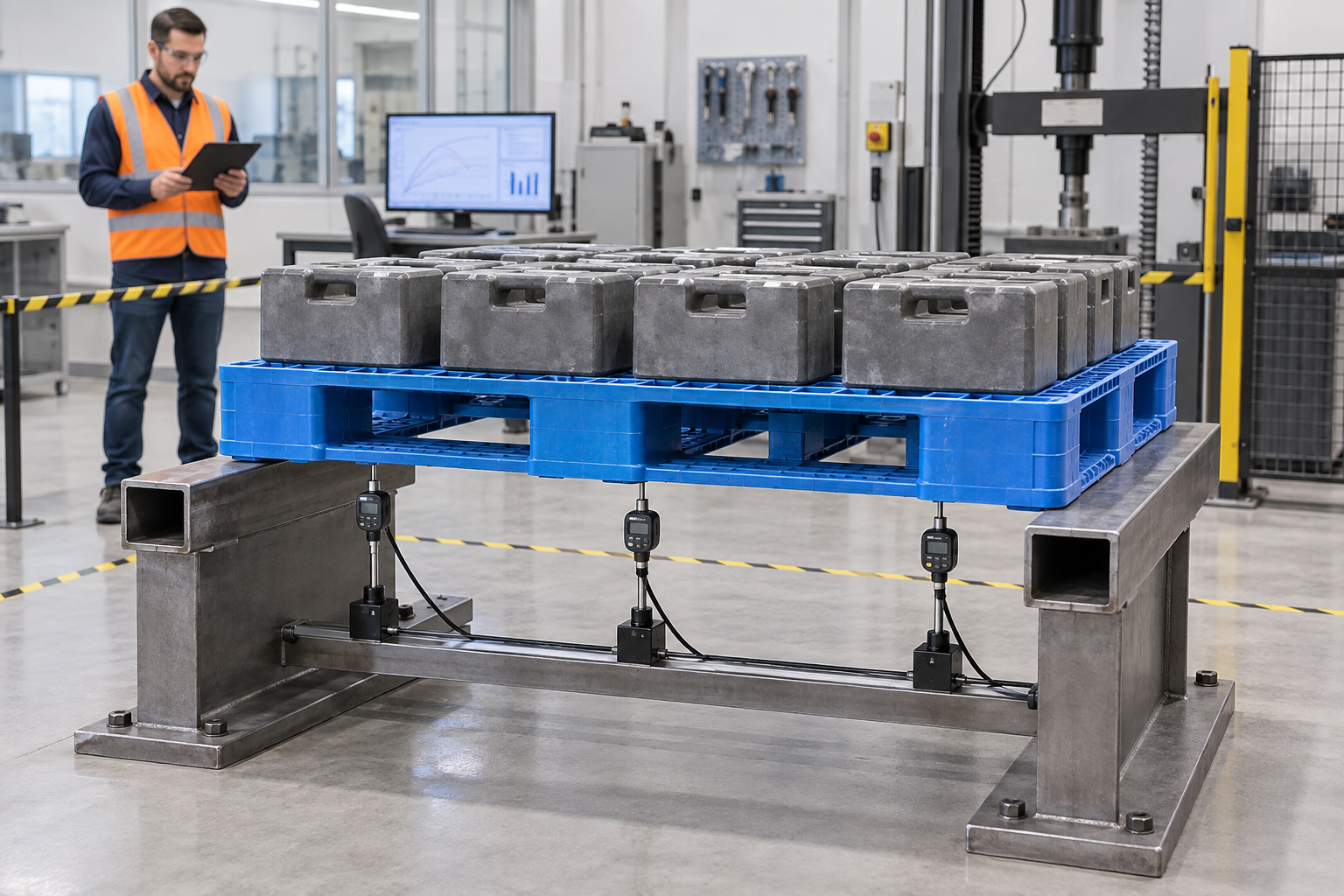
Load Condition
Record supports, load distribution, duration and acceptance criteria.
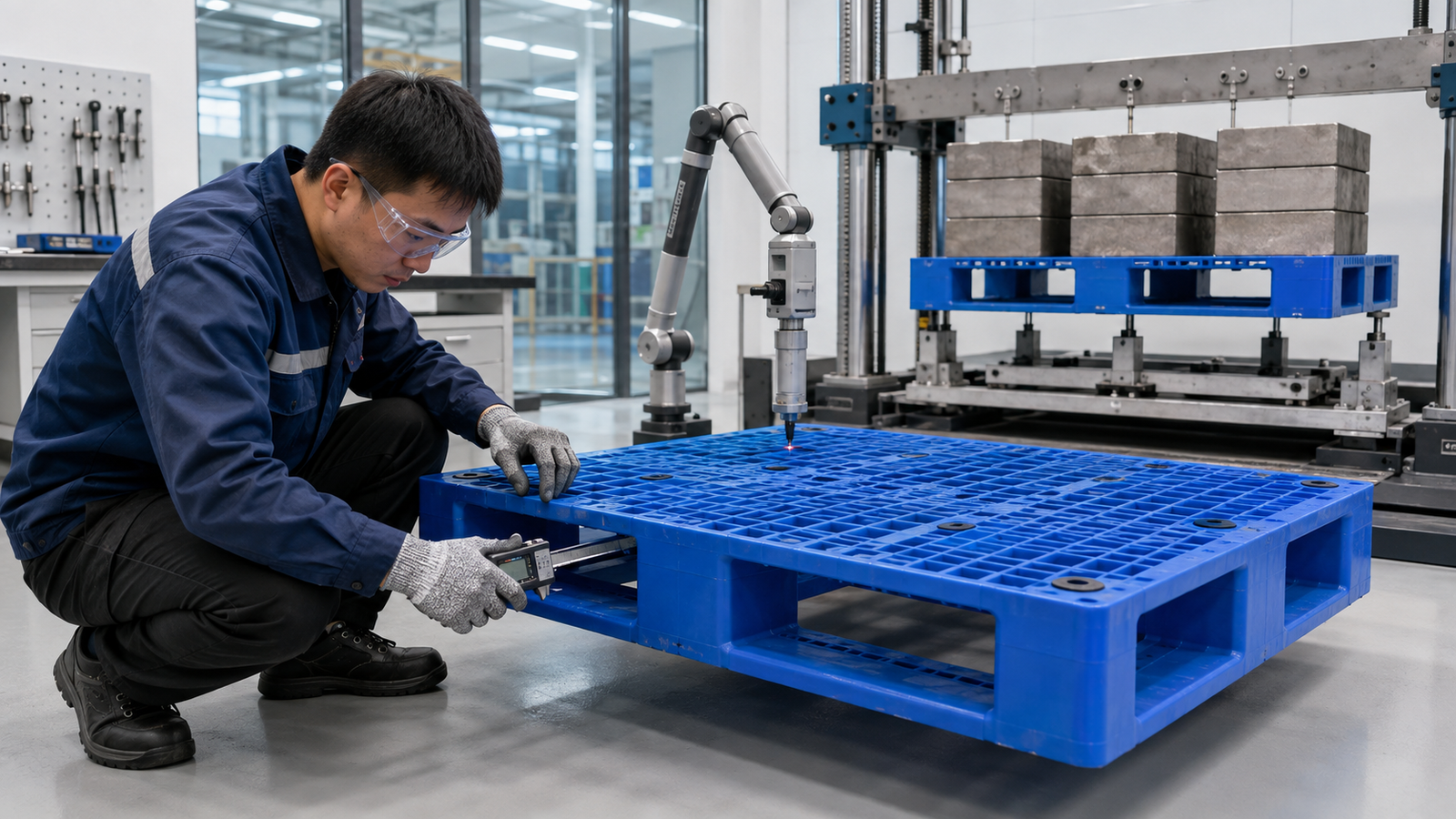
Dimensional Inspection
Check height, diagonals, deck, slots, fork openings and base geometry.
Specification Control
Link drawing approval, production inspection, testing and shipment records.
Buy Printing Plastic Pallets from China with a Defined Specification
Cross-border risk is reduced when product configuration, sample status, quotation scope and acceptance criteria are agreed before production.
Sample Testing
Test the same model, material and structure proposed for production with the actual load, truck and equipment interface.
MOQ & Custom Options
MOQ can differ for standard models, colors, logos, materials and new molds. Compare like-for-like configurations.
Schedule
Separate sample preparation, drawing approval, tooling, production, inspection and transit. Production time is not delivery time.
Container Quantity
Calculate 20GP or 40HQ quantity for the exact model, nesting depth, stack height, structure and packing plan.
ISPM 15
All-plastic pallets are outside wood heat-treatment requirements, but destination-specific customs and product rules still apply.
Landed-Cost Quote
Provide model, quantity, material, load, handling method, destination and Incoterm for a useful comparison.
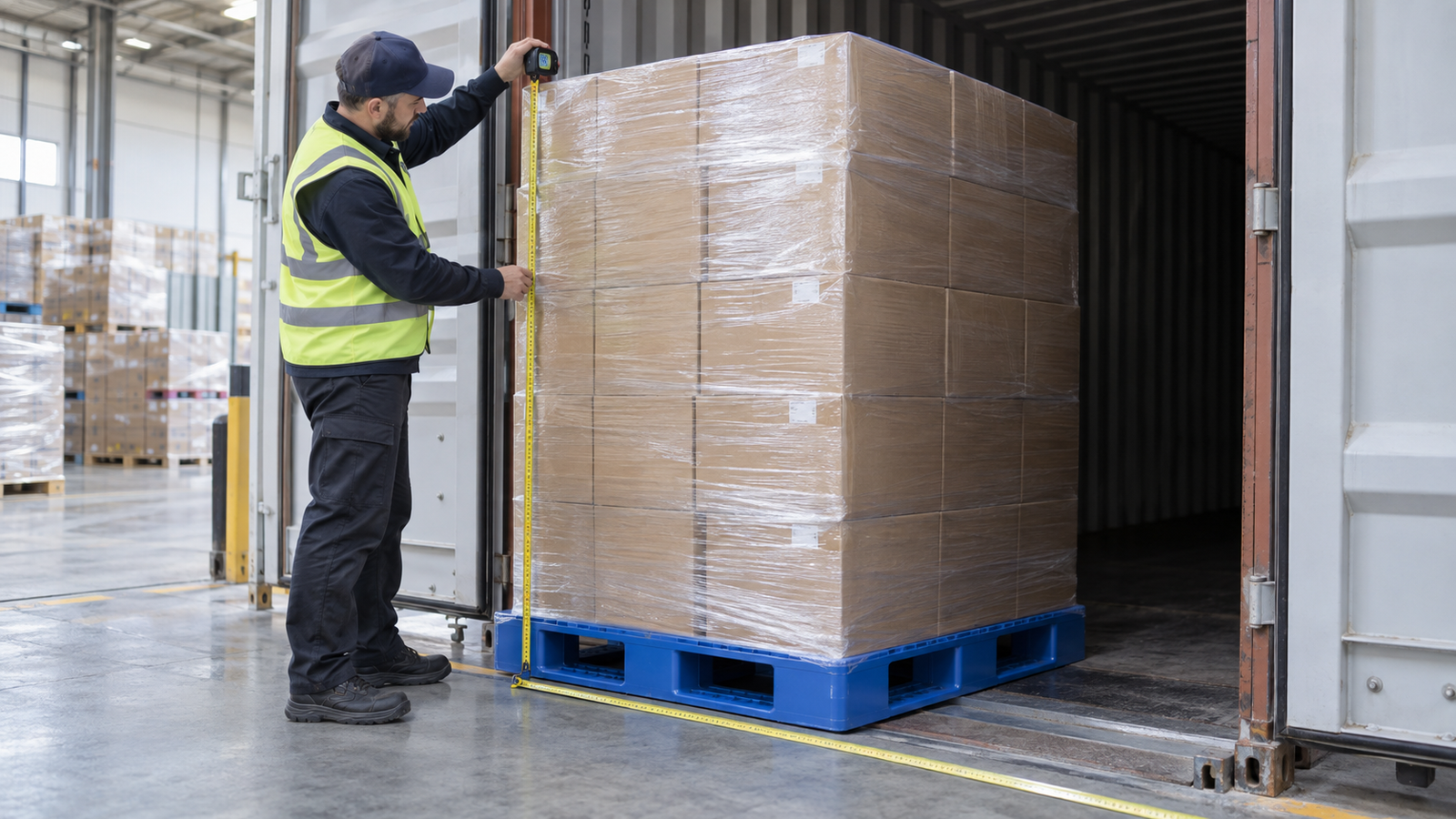
Confirm Loaded Dimensions
Pallet, wrapping and load height all affect container planning.
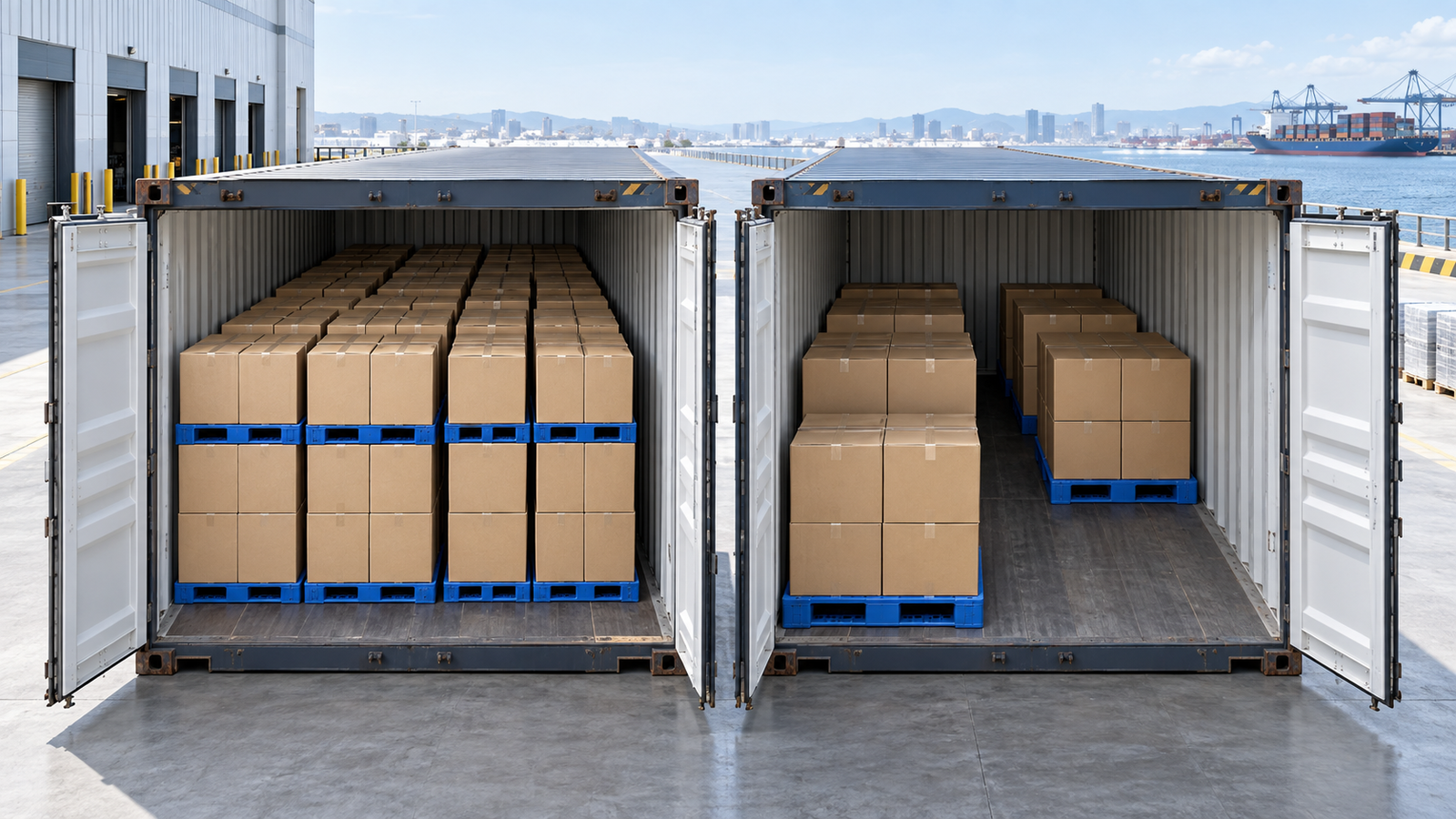
Model-Specific Loading Plan
Do not apply one generic container quantity across different structures.
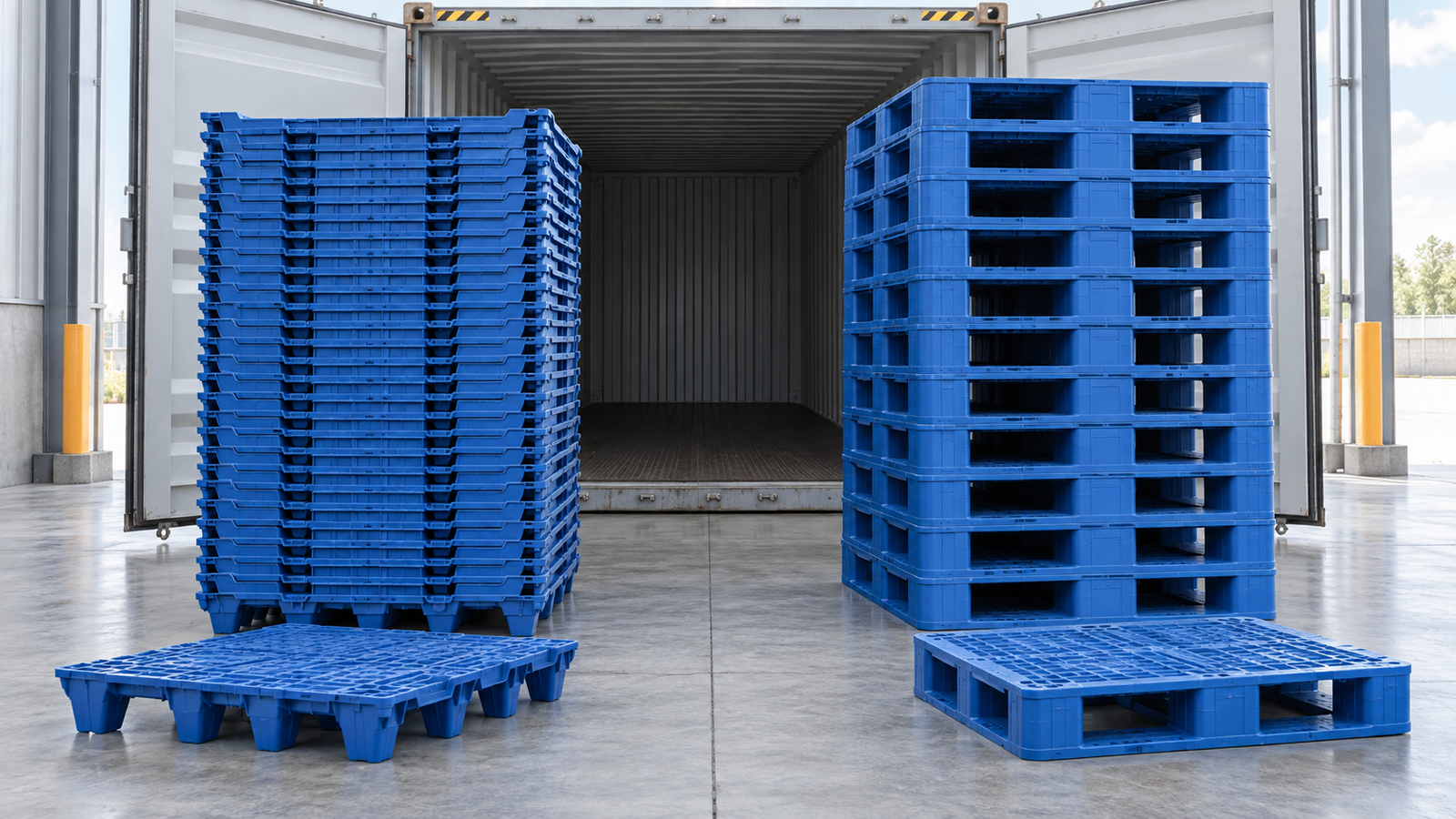
Empty Pallet Density
Nesting can reduce empty volume where the loaded route also fits the design.
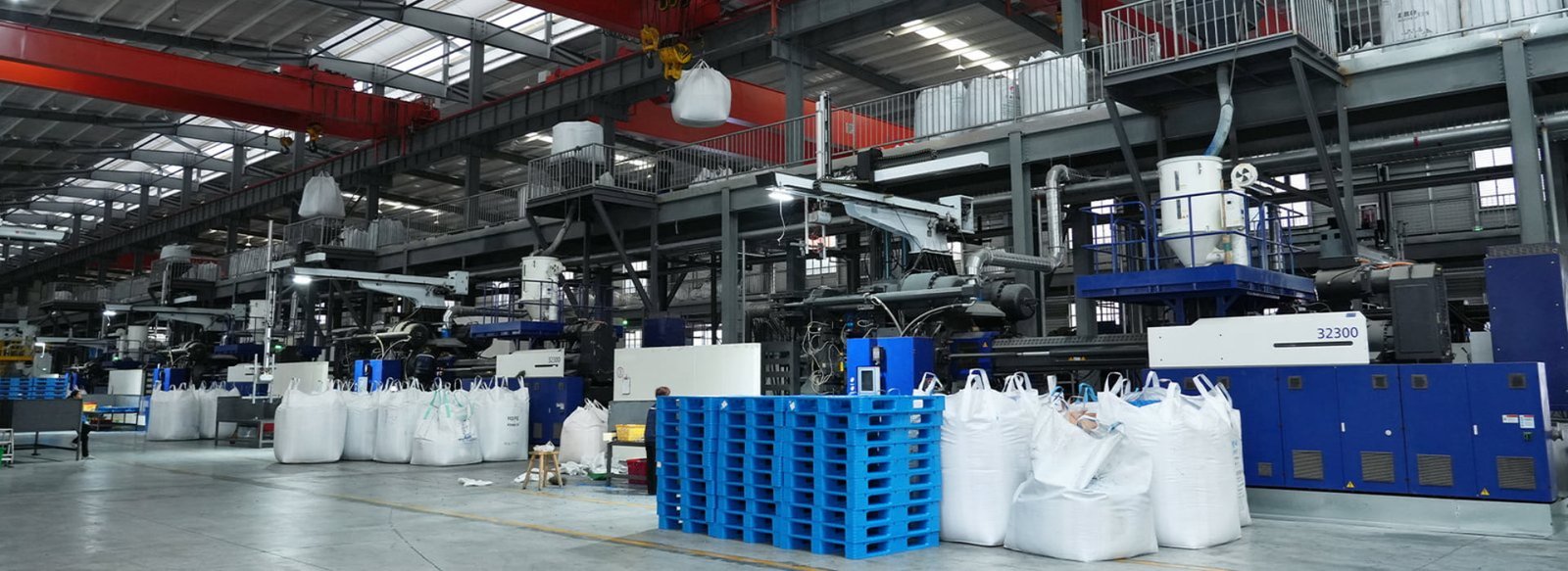
Printing Pallet Supply Backed by Plastic Pallet Manufacturing
Preface Plast lists more than 20 years of plastic pallet manufacturing experience and over 60 injection and rotational molding machines across its production resources.
What the Engineering Review Covers
- Paper footprint and maximum loaded weight
- Deck support and press or feeder interface
- Fork openings and pallet-jack access
- Foot, runner, conveyor and storage support points
- Critical dimensions and tolerances
- Sample and production inspection requirements
How the Product Range Fits Different Printing Requirements
These are application-selection scenarios—not claims about unnamed customers.
Slotted Press-Side Paper Handling
Direction: review the 1050 × 760 × 175 mm slotted-top model.
Check: compare slots, height, entry direction and paper footprint with the current pallet or equipment drawing.
Compact Printed-Material Transfer
Direction: compare 960 × 720, 950 × 650 and 800 × 600 mm.
Check: balance paper support, load capacity, maneuverability and empty storage.
Empty-Pallet Space Priority
Direction: review the 950 × 650 and 800 × 600 nestable models.
Check: validate every loaded condition; the 800 × 600 is not rackable or load-stackable.
Multiple Paper Formats
Direction: compare the ten sizes in the 9-leg flat-top series.
Check: select by effective deck support and confirm missing material and weight data.
Oversized Sheets and Heavy Loads
Direction: review ENL1612-190 with a 1600 × 1200 mm deck.
Check: static 5,000 kg does not prove racking. Confirm material, weight, distribution and support.
Frequently Asked Questions About Printing Plastic Pallets
Direct answers to common press-compatibility, structure, sourcing and specification questions.
What is the difference between a printing pallet and a standard plastic pallet?
A standard pallet may suit general warehousing. A printing pallet may need a footprint, deck-contact pattern, height or interface selected around sheets and pressroom movement. Not every pallet in a printing plant can enter a printing machine.
Are printing pallets the same as screen-printing pallets?
No. This page covers logistics pallets for paper, printed sheets and pressroom handling. A screen-printing pallet or platen holds garments or substrates during printing.
Does a slotted top make a pallet suitable for a non-stop feeder?
Not by itself. Slot direction, width, depth and position must match the rods, rake or other interface used by the specific press and feeder.
Can these pallets work with Heidelberg, Komori, Koenig & Bauer or Manroland presses?
Compatibility can be reviewed, but the brand name is insufficient. Provide the model, feeder/delivery arrangement, existing pallet dimensions, required height and interface drawing.
Which models suit light-duty, space-saving handling?
The 950 × 650 and 800 × 600 mm nestable models are starting points. Verify footprint and loaded route; the 800 × 600 model is not rackable or intended for loaded stacking.
Which model is available for large-format printing?
ENL1612-190 measures 1600 × 1200 × 190 mm and publishes 2,000 kg dynamic and 5,000 kg static capacity. Confirm material, weight and support conditions.
What is the difference between static and dynamic load?
Static load applies when stationary under defined support. Dynamic load applies during suitable lifting and movement. Neither proves rack suitability.
Are four-way forklift and four-way pallet-jack entry the same?
No. A pallet jack also needs a clear wheel path and suitable bottom geometry. Check actual truck dimensions before ordering.
Are nestable pallets also stackable when loaded?
Not automatically. Nestability describes empty pallets. Loaded stacking is separate; the 800 × 600 mm model is specifically not designed for it.
Can printing pallets run on conveyors or AGVs?
Only after underside geometry, support points, clearances, dimensions and loaded deflection are checked against the equipment.
Should I choose PP or HDPE?
Neither is universally better. Select material together with structure, impact conditions, stiffness, temperature, resin grade and reuse environment.
Can Preface Plast customize the size or deck?
Selected models list size, color, logo, deck or structural customization. Changes to footprint, slots, feet or runners may require tooling and sample approval.
Can I order a sample before bulk production?
Confirm sample availability for the selected configuration. Critical applications should be tested with real paper and equipment before mass-production approval.
Do plastic pallets require ISPM 15 treatment?
All-plastic pallets are outside ISPM 15 treatment requirements for regulated raw-wood packaging. Other destination-specific rules still need checking.
How many printing pallets fit in a 40HQ container?
Quantity depends on the exact model, nesting or stacking method and export packing. It must be calculated for the selected pallet.
Get a Printing Pallet Recommendation and Quote
Tell us how the pallet will be used. We will compare paper dimensions, load, structure and handling route before recommending an existing model or reviewing a custom project.
- Application-first product review
- Drawing and sample discussion
- Model-specific quotation
- Inspection and loading-plan options