How Do Reusable Plastic Pallets Reduce Supply Chain Waste and Return-Logistics Pressure?
A broken pallet creates more than waste. It can interrupt your loading flow, damage goods, add cleanup work, and force you to find a replacement at the worst possible time. When this happens again and again, your supply chain uses more pallets, more storage space, and more handling time than it should.
Reusable plastic pallets help when you keep them moving in your regular loop. You load them, recover empty pallets, clean them when needed, and use them again. That is how a pallet becomes a long-term transport asset instead of another one-way expense.
Why Do One-Way Pallets Keep Creating Supply Chain Waste?
A pallet does not need to reach the end of its physical life to become waste. It can be replaced early because of cracked boards, moisture damage, loose nails, wood splinters, contamination concerns, or poor performance on your forklift and warehouse equipment.
Reusable plastic pallets reduce this repeated replacement cycle. Their one-piece structure does not add loose nails or wood splinters to your work area, while smooth or closed-deck options make routine cleaning easier. Over time, you spend less effort dealing with damaged pallet debris, emergency replacements, and avoidable loading interruptions.
This is where reusable plastic pallets, durable plastic pallets, and reusable shipping pallets start to make a real difference: they help you keep the same load carrier in circulation instead of constantly starting over with a new one.
How Can You Turn One Pallet Into Multiple Working Trips?
You do not need to make circular logistics complicated. Your pallet loop can be simple:
Load and ship → unload → collect empty pallets → return → clean and inspect → load again
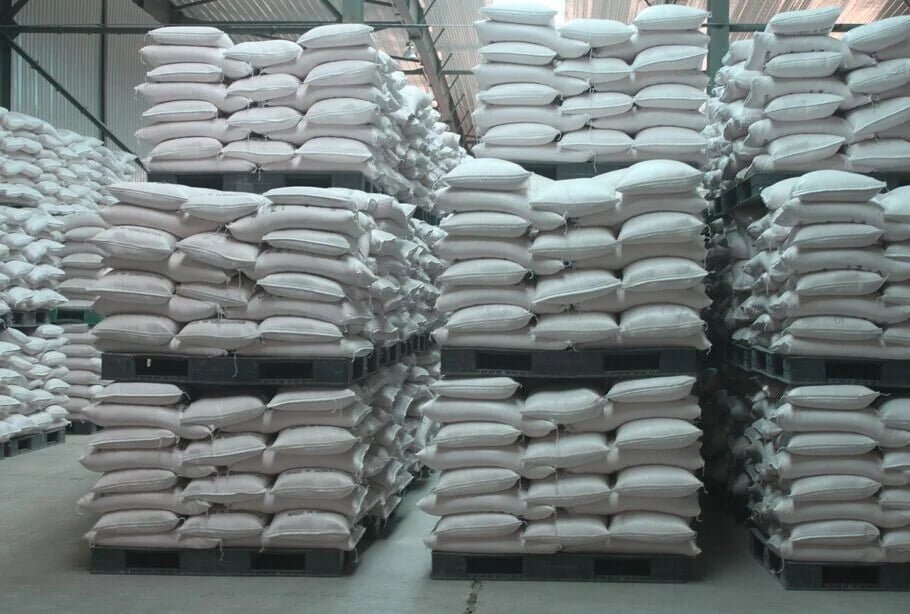
When your loads move repeatedly between your factory, warehouse, distribution center, or regular delivery locations, returnable plastic pallets can stay in that route. The more consistently your empty pallets come back, the less often you need to replace them.
A closed-loop pallet system is not about making a sustainability claim. It is about keeping your pallets available for the next shipment. That means fewer one-way pallet purchases, less discarded material, and a smoother pallet return logistics routine.
ISO terminology also treats reusable packaging as packaging designed to complete repeated trips within a reuse system—not simply packaging that looks durable enough to use again. ISO reusable packaging terminology
Why Do Empty Pallets Take Up So Much Space?
Empty pallet storage can quietly become a warehouse problem. Even when a pallet is not carrying goods, it still occupies valuable floor area, return-truck space, and loading time.
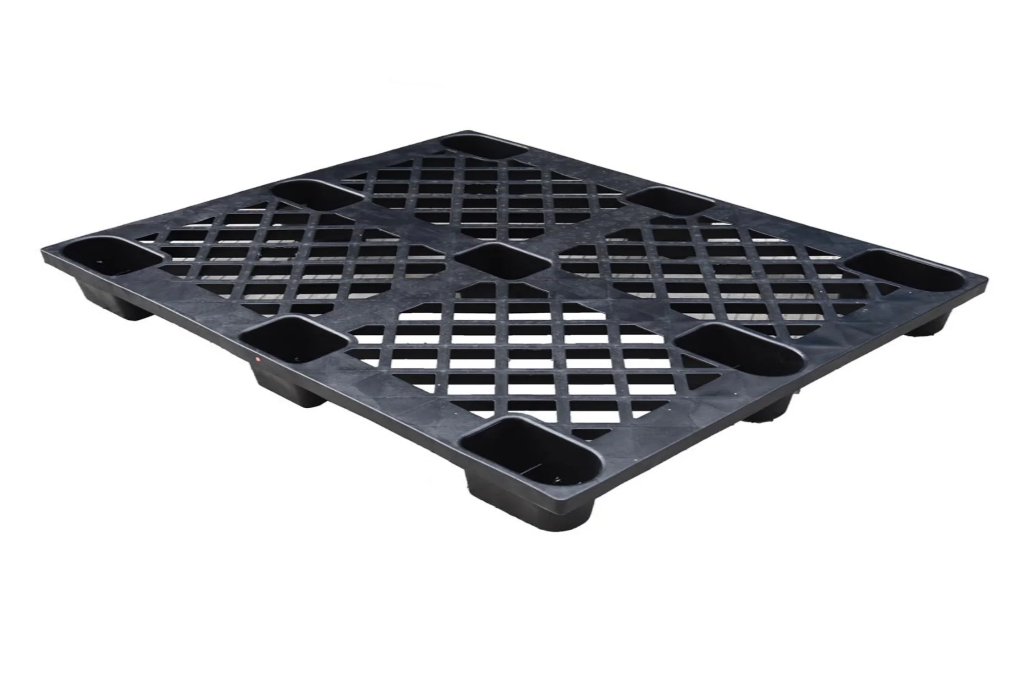
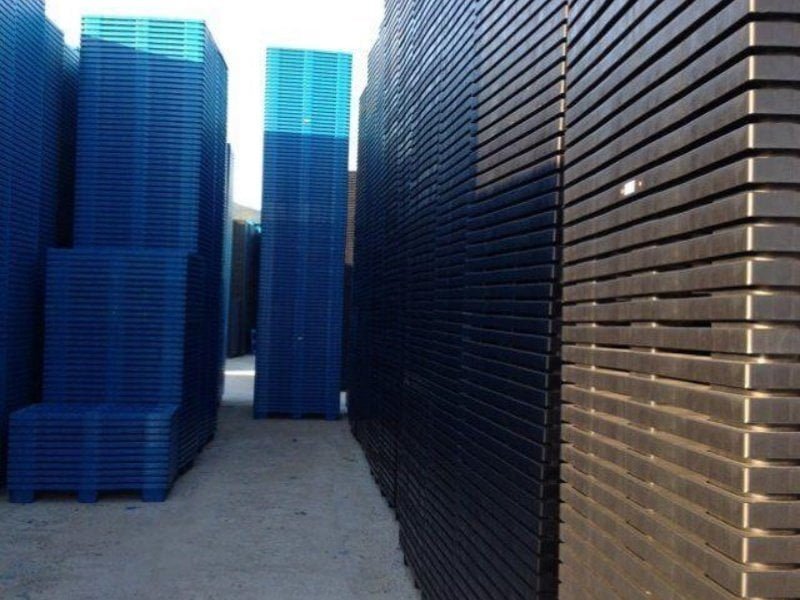
Nestable plastic pallets solve this in a very practical way. When empty, they nest into one another. Compared with non-nestable pallets, this can reduce empty-pallet storage space by about 70%.
That gives you three immediate benefits:
- You need less space for empty pallet stacks.
- Your return vehicle can carry more empty pallets.
- Your team spends less time moving oversized empty stacks around the warehouse.
For routes with frequent pallet returns, nestable pallets can improve both empty pallet storage and return logistics without changing the way you load your goods.
Which Reusable Plastic Pallet Fits Your Daily Route?
The best reusable pallet is not always the heaviest one. It is the one that fits how you load, store, move, return, and clean your goods.
| Your daily use | Suitable pallet direction | What it helps you do |
|---|---|---|
| Empty pallets return frequently | Nestable plastic pallets | Reduce empty storage and return volume |
| Loaded pallets stack on the floor | Stackable plastic pallets | Support stable loaded storage and repeated transport |
| Pallets sit on rack beams | Rackable plastic pallets | Support warehouse racking and repeat handling |
| Your line uses conveyors, shuttles, or AS/RS | AS/RS plastic pallets | Maintain more consistent equipment contact points |
| You wash pallets often | Hygienic plastic pallets | Simplify washdown and daily inspection |
| You move heavy industrial loads repeatedly | Heavy-duty plastic pallets | Reduce frequent pallet replacement |
| You need a stable full-base structure | Full-perimeter plastic pallets | Support demanding storage and handling routes |
This is why reusable industrial pallets, rackable reusable pallets, and reusable pallets for warehouse automation should be treated as different working tools—not just different names for the same pallet.
How Do Cleaning and Automation Help You Keep Pallets in Use?
Repeated use works better when pallets are easy to handle between trips. A plastic pallet with a smooth surface is easier to wash than a pallet with damaged wood fibers, while a closed deck can help reduce places where loose debris collects.
For food, beverage, pharmaceutical, and clean-handling routes, hygienic plastic pallets give you a practical surface for regular cleaning and inspection. You are not trying to make the process complicated—you simply want pallets that come back ready for the next load.
Automation also benefits from consistency. On conveyors, pallet shuttles, AGVs, and AS/RS systems, stable pallet size, runner layout, and bottom contact points help your equipment move pallets more smoothly. Our AS/RS plastic pallet range is designed for warehouse routes where pallets need to keep working trip after trip.
Why Should You Separate Reusable Pallets From One-Way Export Pallets?
A pallet can be durable and still be used only once. If it completes one international shipment and never returns, it is an export pallet—not a complete reusable pallet program.
One-way export plastic pallets are useful when your route does not include a practical return flow. They can also be nestable, which helps you save space before loading and during empty storage.
But when you have repeat deliveries and empty pallets can come back, reusable plastic pallets bring a different kind of value. You are no longer looking only at the first purchase price. You are looking at how many trips the same pallet can complete in your own supply chain.
If pallet footprint and container loading are important to your route, see our guide to pallet size, container utilization, and landed cost.
What Happens When a Reusable Plastic Pallet Reaches the End of Its Life?
Reuse should come first. When a pallet can no longer stay in service, recycling gives its material another path forward.
Many plastic pallets use HDPE or PP, both thermoplastic materials that can enter collection, shredding, and reprocessing streams. This does not mean every old pallet automatically becomes a new pallet, but it does mean the material can remain useful instead of going straight to disposal.
The U.S. EPA places source reduction and reuse ahead of recycling in its materials-management hierarchy. In simple terms: if your pallet can safely make more trips, keeping it in use usually creates more value than replacing it early. EPA Sustainable Materials Management
Are Reusable Plastic Pallets Better Than Wood Pallets?
For repeat warehouse and distribution routes, reusable plastic pallets can reduce issues linked to moisture, loose nails, wood splinters, and frequent replacement. They also give you nestable, hygienic, rackable, and automation-ready structure options that are difficult to achieve with one general pallet design.
The better question is not simply “plastic pallets vs wood pallets.” It is whether your route has enough repeated handling, pallet returns, storage pressure, or washdown needs to benefit from a reusable solution.
Can Nestable Plastic Pallets Reduce Empty Pallet Storage?
Yes. Nestable pallets fit into one another when empty, reducing the height and volume of empty stacks. Compared with non-nestable pallets, they can reduce empty-pallet storage space by about 70%, which is especially useful for return transport and compact warehouse storage.
Are Reusable Plastic Pallets Recyclable?
Many reusable plastic pallets are made from recyclable HDPE or PP. Once a pallet has completed its working life, the material can enter a recycling route rather than being treated as one-time waste.
Final Thoughts
A more responsible pallet program does not need to start with a complicated project. Start by keeping one pallet in use for more trips, recovering it after delivery, and reducing the replacements, empty-pallet clutter, and material waste that build up over time.
At Preface Plast, our plastic pallet range includes nestable, stackable, hygienic, rackable, heavy-duty, and full-perimeter options. We help you match the pallet structure to the way you actually move, store, return, clean, and reuse your loads.
Share this article
Help others discover this content