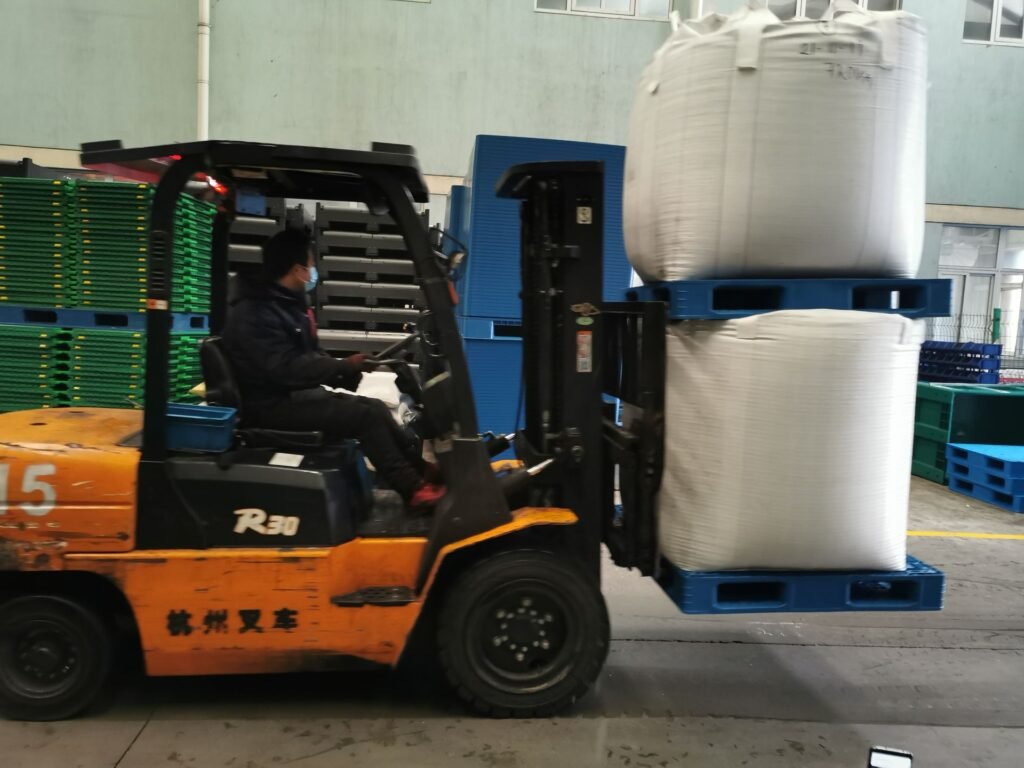
A well-matched reusable plastic pallet often stays in service for 5 to 10 years and may complete 50 to 100 or more trips in a controlled closed-loop operation. Heavy-duty or hygienic pallets can pass the 10-year mark. A lightweight one-way export pallet, though, may be built for only one or a few trips.
So, “8 to 10 years” is a useful planning figure, not a warranty. Load, fork impacts, rack support, temperature, washing and return control decide the real answer. Here is how to estimate plastic pallet lifespan before you order.
How Many Years And Trips Can A Plastic Pallet Last?
Count completed trips first and calendar years second. A pallet turn is one completed movement through your route, usually followed by recovery for reuse. Twenty turns in one year create a very different duty cycle from three.
| Plastic Pallet Type | Useful Planning Measure | Common Early-Life Risk |
|---|---|---|
| Lightweight one-way export pallet | One or a limited number of trips; years are rarely meaningful | Loss, overloading or unsupported use |
| Reusable stackable pallet | Often 5–10 years or 50–100+ trips in a controlled loop | Fork impact, worn runners and repeated overload |
| Heavy-duty or rackable pallet | Ten years or more may be possible under the approved load and support conditions | Permanent deflection, point loads or damaged reinforcement |
| Hygienic or AS/RS pallet | Validated cycles plus continued wash, dimensional and equipment fit | Heat, chemicals, warpage or changed machine clearances |
A 6 kg nestable export model and a 25 kg steel-reinforced model are not cheaper and dearer versions of the same tool. They have different jobs. Pallets do not expire neatly on their eighth birthday either: condition and safe performance decide retirement, not age alone.
What Really Controls Plastic Pallet Lifespan?
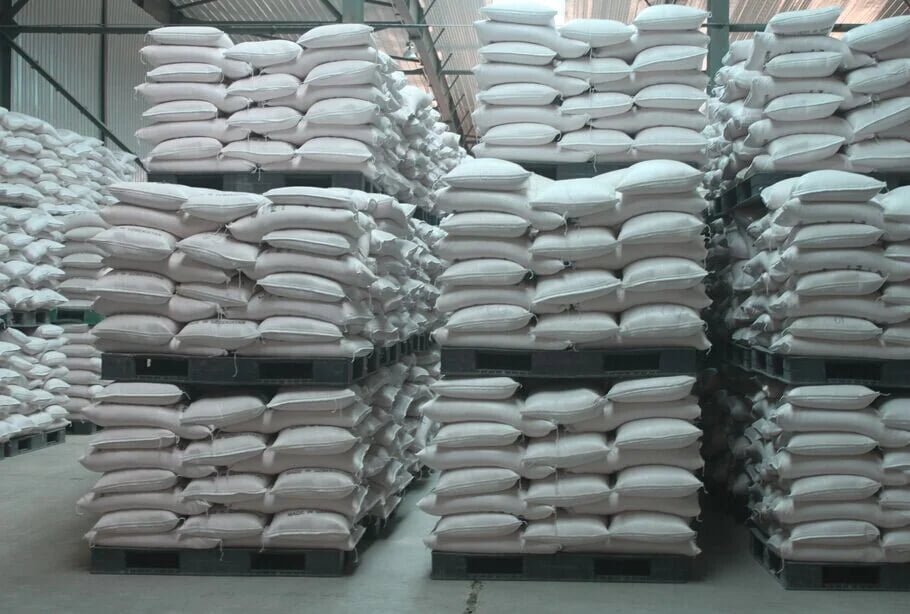
Early failure usually starts with a mismatch between the pallet, load and handling route—not with the plastic simply becoming old.
| Factor | What Happens In Real Use | What To Specify |
|---|---|---|
| Structure and support | Nestable, runner and perimeter bases carry loads differently | Floor, stacking, rack, conveyor and pallet-jack support |
| Load and forklift handling | Point loads stress a few ribs; fork tips damage feet and runners | Weight, contact pattern, centre of gravity and fork entry |
| Racking time | Plastic may slowly bend across an unsupported span | Beam span, orientation, dwell time and allowed deflection |
| Temperature and sunlight | Cold can reduce impact toughness; heat and UV can speed deformation or brittleness | Temperature cycle, outdoor duration and UV formulation |
| Washing and chemicals | Excess heat, pressure or incompatible chemicals can attack the material | Chemical, concentration, temperature, pressure and contact time |
| Material and fleet control | Formulation changes performance; lost pallets end economic life early | Resin grade, additives, return rate and identification |
Material Grade Is More Than Virgin Versus Recycled
It is tempting to say virgin plastic lasts 10–15 years and recycled plastic always lasts less. That is too tidy. Resin grade, contamination control, additives, pallet weight, rib design and moulding consistency all matter. HDPE is often reviewed for impact and cold; PP may suit applications needing more stiffness or heat resistance. Neither name proves lifespan, and temperature limits remain model- and load-specific.
Fork Impacts And Creep Often End Service Life Early
A little blunt, but true: many pallets do not wear out; they get hit out. Short fork insertion loads one edge, fork tips puncture ribs, and dragging twists feet or runners.
Racked plastic can also keep bending under sustained load, a behaviour called creep. The pallet may remain intact while sag reduces rack or shuttle clearance. This is why static, dynamic and racking load capacity cannot be treated as one number.
How Does Plastic Pallet Lifespan Change By Application?
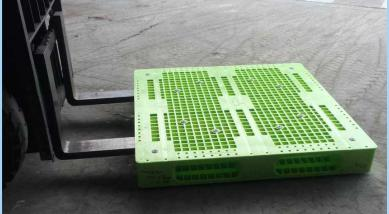
The route determines which kind of durability matters. Use these application checks before attaching a lifespan number to a quotation.
| Application | What Controls Service Life | Useful Product Route |
|---|---|---|
| Closed-loop warehouse | Recovery, fork handling, stacking and damage removal | Stackable plastic pallets for repeated floor handling |
| Cold storage | Exact resin, low-temperature impact and the full freezer-to-dock cycle | Cold-storage plastic pallets reviewed by model |
| Beam racking | Span, load distribution, temperature, dwell time and deflection | Rackable plastic pallets with stated support conditions |
| Automated warehouse | Runner geometry, flatness, fork clearance, sensors and repeatability | A trialled AS/RS plastic pallet; one jam may cost more than the pallet |
| Hygiene-sensitive reuse | Wash heat, pressure, chemistry, drainage and inspection limits | Hygienic plastic pallets matched to the wash process |
| One-way export | Recovery is unlikely, so delivered cost matters more than a ten-year claim | Lightweight one-way export pallets matched to the load and destination |
A room-temperature rating is not a freezer rating, and a static floor rating is not rack approval. Those two mix-ups alone account for a surprising amount of avoidable damage.
What Are The Signs A Plastic Pallet Needs Replacing?
Remove a pallet when damage changes its load path, stability or equipment fit. Surface scratches and faded colour alone do not always mean failure, but the following signs need action:
- A crack runs through a runner, foot, fork-entry area or load-bearing deck rib.
- A broken or worn base leaves the pallet rocking on a level floor.
- The deck or runners remain bowed after the load is removed.
- The pallet is twisted and no longer enters a conveyor, rack or pallet dispenser cleanly.
- Steel reinforcement is loose, exposed or displaced.
- Anti-slip parts, rims or deck sections are missing where they control the unit load.
- The plastic shows unusual softening, swelling, crazing, chalking or brittle fracture after chemical, heat or UV exposure.
Mark the unit, take it out of service and inspect it unloaded. Many one-piece injection-moulded pallets are not repaired like wooden pallets. Replaceable runners or components are model-specific; an improvised hot-weld on a structural crack should not quietly send the pallet back into a rack.
How Can You Extend Plastic Pallet Service Life?
Pallets do not need pampering. They need the right job and fewer hard hits.
- Match the structure to every support point. A high static rating does not make a nine-leg pallet rackable.
- Use the correct load rating. Record point loads and off-centre cargo, not only total kilograms.
- Insert forks fully before lifting. Do not push loaded pallets across the floor.
- Store empty units flat and under cover where practical. Control unstable stacks and unnecessary UV exposure.
- Set an approved wash recipe. State temperature, pressure, chemical concentration and contact time.
- Track where damage happens. Repeated cracks at one fork entry normally reveal a route or equipment problem.
ISO 8611-1:2025 covers load and durability-comparison tests for new flat pallets, but also notes the value of field trials for a specific design. A controlled sample trial is the stronger choice for racking, freezer and automated projects.
Plastic Pallet Lifespan FAQs
Do Plastic Pallets Have An Expiration Date?
Most industrial plastic pallets do not expire on a fixed calendar date. Continued use depends on condition, traceability and the inspection rules for your operation.
Can Plastic Pallets Be Stored Outside For Years?
Outdoor use may be possible with a suitable UV-stabilised material, but long sun exposure still needs review. Covered, level storage normally gives you a safer planning basis.
Does Recycled Plastic Always Mean A Shorter Pallet Lifespan?
No. Performance depends on material control, formulation, design, moulding and duty; ask for data on the exact recycled-resin model rather than judging by colour.
Can A Cracked Plastic Pallet Be Repaired?
Some modular parts can be replaced under an approved procedure, but many structural cracks in one-piece pallets are not practical repairs. Quarantine the pallet and follow the model-specific inspection rule.
How Often Should Reusable Plastic Pallets Be Inspected?
Check them before loading and after any hard impact, then set a documented inspection interval around cycle rate and application risk. Racking and automation usually justify tighter control than light floor use.
Does Steel Reinforcement Make A Plastic Pallet Last Longer?
Steel can reduce bending in a suitable design, especially for defined rack spans. It does not prevent fork damage, chemical attack or failure caused by the wrong support condition.
Final Thought: Choose For The Route, Not The Birthday
A realistic plastic pallet lifespan comes from matching the pallet to the complete journey. Years are useful for budgeting; trips, damage rate, deflection and recovery tell you whether the investment is actually working.
Share your load drawing, annual cycles, rack or conveyor details, temperature range, cleaning method and return plan with our team. We can compare an existing nestable, stackable, rackable, hygienic or automated-handling model before discussing a custom design—helping you reduce early failures without paying for structure your route does not need.