Are you struggling with inefficient warehouse operations? Wondering how top companies streamline their logistics? The answer lies in understanding pallets.
A pallet is a horizontal platform structure. It supports goods during storage and transportation. Furthermore, we use pallets as the foundation of modern supply chain operations. They enable efficient product movement via forklifts and automated systems.
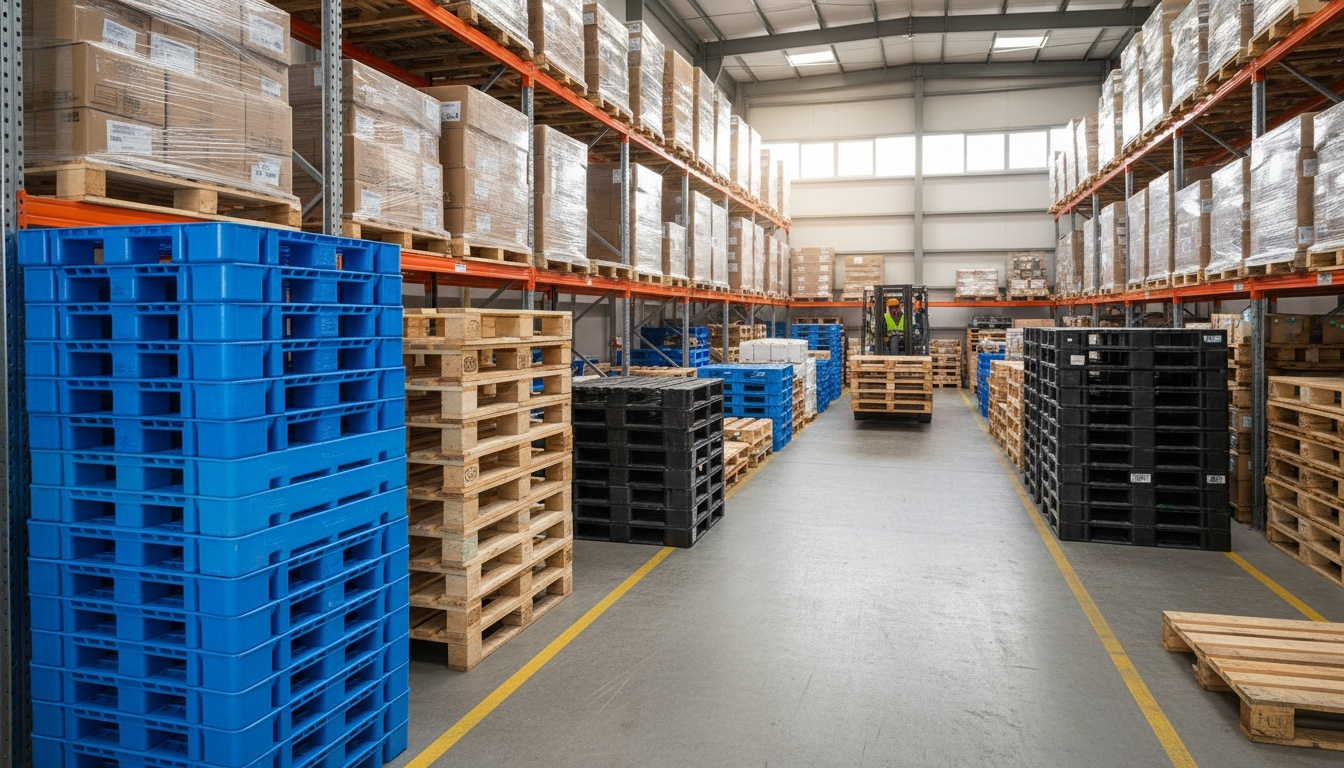 Understanding pallets isn't just about logistics. Instead, it's about transforming your entire operation. Whether you're searching for "plastic pallets near me" or comparing costs, this guide helps. Consequently, you'll make informed decisions that impact your bottom line.
What Are the Different Types of Pallets Available?
Confused by the variety of pallet options? You're not alone. Moreover, choosing the wrong type can cost thousands in efficiency losses.
Pallets come in four main materials: wood, plastic, metal, and paper. Each type serves specific industries. Additionally, each has unique applications. Moreover, plastic pallets offer superior hygiene and durability.
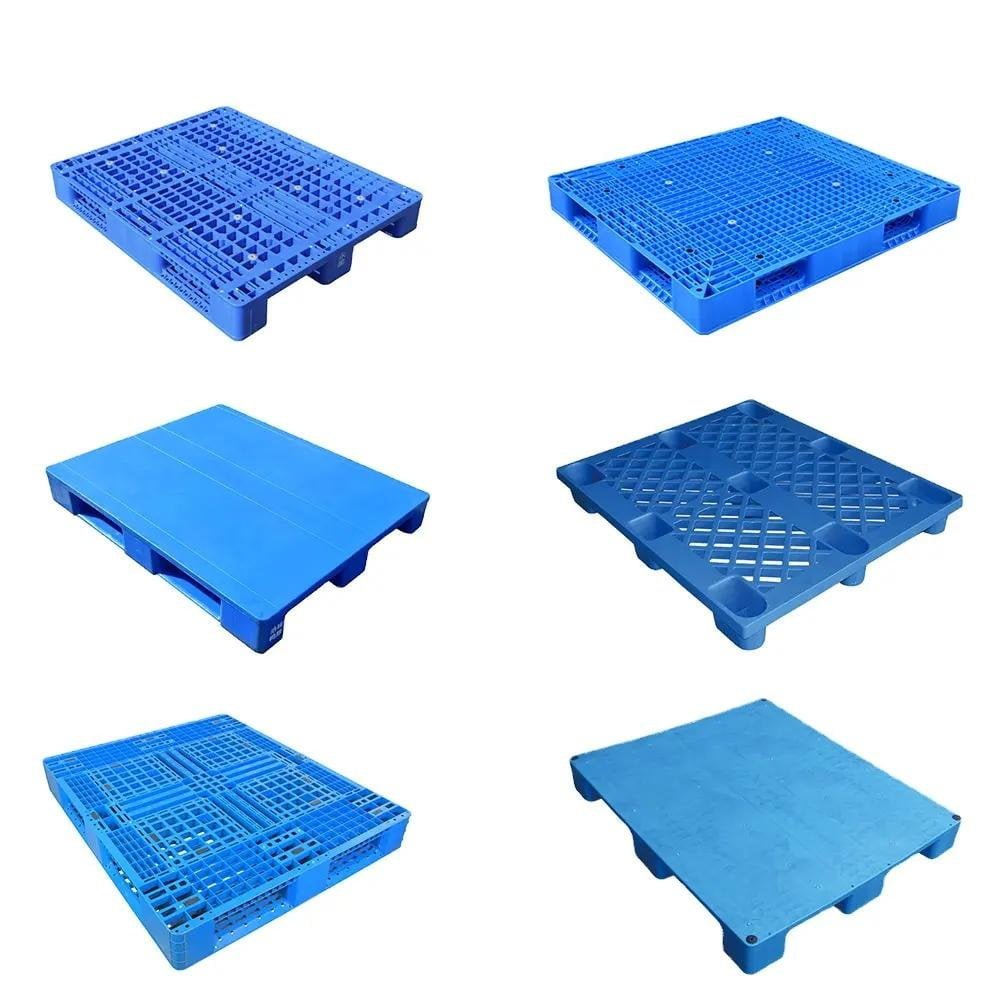
Material Breakdown and Applications
When we examine pallet materials more closely, the choice becomes critical. Here's what I've learned from 20 years in the industry:
Wood Pallets:
- Most common and cost-effective option
- Ideal for dry goods and one-way shipping
- Weight ranges from 30-70 lbs
- Furthermore, they're recyclable but require treatment for international shipping
Plastic Pallets:
- Superior for food, pharmaceutical, and chemical industries
- FDA/USDA approved options available
- Weight ranges from 15-75 lbs with consistent dimensions
- Additionally, they're 100% recyclable with 10+ year lifespan
Metal Pallets:
- Best for high-temperature applications
- Steel pallets support up to 10,000 lbs
- Aluminum options for aerospace and automotive
- Longest lifespan but highest initial cost
| Material | Cost Range | Lifespan | Weight Capacity | Best For |
|---|---|---|---|---|
| Wood | $10-25 | 2-5 years | 2,500 lbs | General shipping |
| Plastic | $25-200 | 10+ years | 5,000 lbs | Food/Pharma |
| Metal | $150-400 | 15+ years | 10,000 lbs | Heavy industry |
| Paper | $5-15 | Single use | 1,500 lbs | Export shipping |
How Do Pallet Dimensions Impact Your Operations?
Selecting wrong pallet dimensions can waste up to 30% of warehouse space. Are you making this costly mistake?
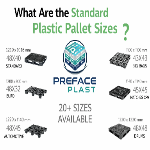
Standard pallet dimensions vary globally. 48"×40" is most common in North America. Meanwhile, 1200×800mm dominates Europe. Consequently, choosing the right plastic pallet size ensures optimal efficiency.
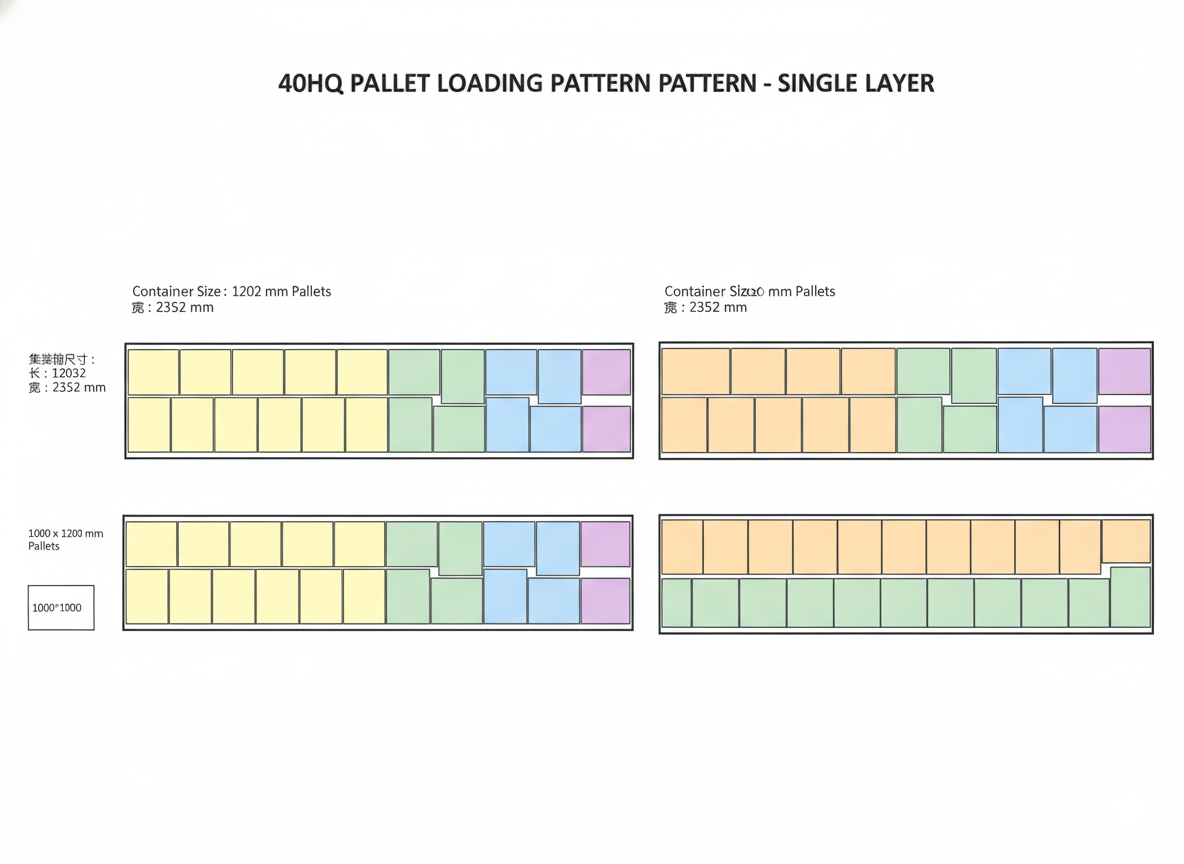
Critical Sizing Considerations
Understanding plastic pallet dimensions goes beyond length and width. Here's what impacts your operations:
Standard Sizes:
- North American: 48"×40" (GMA standard)
- European: 1200×800mm (EUR pallet)
- Asian: 1100×1100mm (square format)
- Additionally, custom sizes are available for specific applications
Height Considerations:
- Standard height: 4.5-6 inches
- Low-profile options: 3-4 inches for automated systems
- Heavy-duty variants: 6-8 inches for maximum strength
The plastic pallet price varies significantly based on dimensions. Larger pallets cost more initially. However, they often provide better value per square foot. In fact, we've seen companies reduce shipping costs by 15%. This happens through optimized sizing.
Why Choose Plastic Pallets Over Traditional Options?
Tired of dealing with splinters and pest issues? Wondering if plastic vs wood pallets really makes a difference?
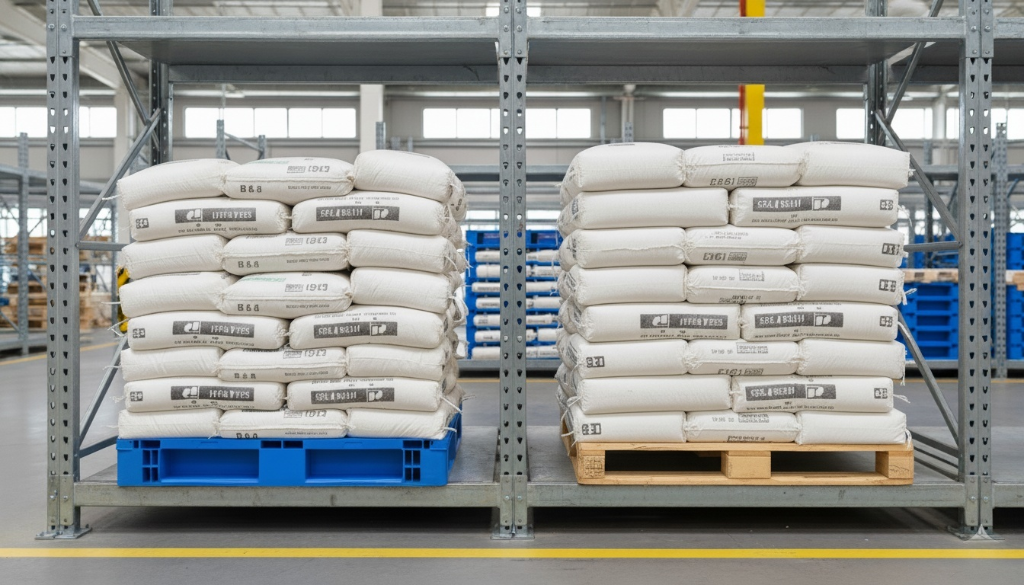
Plastic pallets offer superior hygiene and consistent weight. They also provide weather resistance and longer lifespan. Furthermore, they eliminate pest concerns. As a result, they reduce contamination risks significantly.
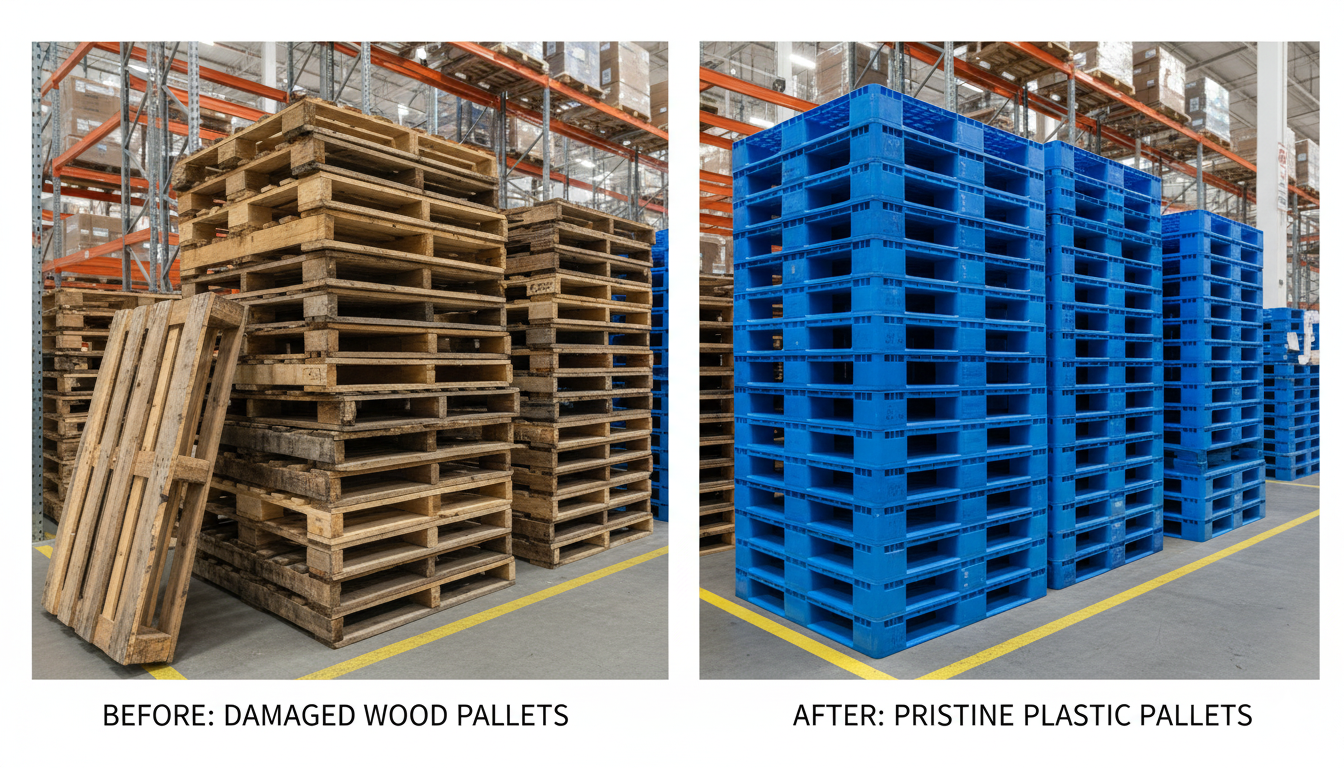
Comprehensive Advantage Analysis
After helping thousands of companies transition, I've documented real-world benefits:
Operational Advantages:
- Consistent Weight: ±2% variance vs ±20% for wood
- Weather Resistant: No moisture absorption or warping
- Chemical Resistance: Withstands acids, oils, and cleaning agents
- Temperature Range: -40°F to 180°F operational range
Economic Benefits:
- Lifespan: 10-15 years vs 2-5 years for wood
- Maintenance: Zero ongoing maintenance required
- Resale Value: Retain 30-50% value at end of life
- Insurance: Lower rates due to fire resistance
Heavy duty plastic pallets provide additional benefits for demanding applications. They offer load capacities up to 5,000 lbs dynamic. Static capacity reaches 25,000 lbs. Moreover, they include reinforced construction for automated handling. Consequently, they support RFID embedding for tracking.
| Feature | Wood Pallets | Plastic Pallets | Advantage |
|---|---|---|---|
| Lifespan | 2-5 years | 10+ years | Plastic 3x longer |
| Weight consistency | ±20% | ±2% | Plastic 10x more consistent |
| Contamination risk | High | Near zero | Plastic eliminates risk |
| Repair costs | $5-15/repair | $0 | Plastic saves maintenance |
Where Can You Find Quality Plastic Pallets?
Searching "plastic pallets near me" but overwhelmed by options? Quality and proximity both matter for supply chain success.
Find quality plastic pallets through certified manufacturers. Additionally, authorized distributors offer excellent options. Specialized logistics suppliers also provide quality choices. Look for ISO 9001 certification. Furthermore, seek FDA approval for food applications.
Sourcing Strategy and Quality Indicators
When I help companies source plastic pallets, we focus on critical factors:
Quality Certifications to Verify:
- ISO 9001 quality management
- FDA approval for food contact
- REACH compliance for chemical safety
- GRS certification for recycled content
Supplier Evaluation Criteria:
- Manufacturing capacity and lead times
- Geographic coverage and logistics support
- Customization capabilities (colors, logos, dimensions)
- Technical support and warranty terms
For businesses requiring plastic pallet covers, ensure supplier compatibility. Many companies need covers for outdoor storage. Additionally, they require contamination protection. Having a single supplier simplifies procurement. As a result, it reduces complexity and costs.
Cost Optimization Strategies:
- Volume discounts typically start at 100+ units
- Mixed loads can reduce per-unit shipping costs
- Annual contracts often provide 10-15% savings
- Furthermore, recycling programs exist for end-of-life pallets
How Much Should You Expect to Invest in Plastic Pallets?
Budget planning for pallets? Understanding the true cost requires looking beyond initial price.
Plastic pallet prices range from $25-200 per unit. This depends on size, construction, and features. While initial costs exceed wood alternatives, total ownership costs favor plastic. Therefore, long-term value often justifies the investment.
Total Cost of Ownership Analysis
Smart purchasing decisions require understanding all cost factors. Here's my framework for evaluating investments:
Initial Investment Factors:
- Standard pallets: $25-75 per unit
- Heavy-duty options: $75-150 per unit
- Custom specifications: $150-300 per unit
- Minimum order quantities: 25-100 units typical
Operational Cost Savings:
- Reduced damage: Save $5-15 per shipment in product loss
- Labor efficiency: 15-25% faster handling due to consistent weight
- Storage optimization: 10-20% better space utilization
- Cleaning costs: 50-70% reduction vs wood pallets
Long-term Value Factors:
- Depreciation: 8-10% annually vs 25-30% for wood
- Recycling value: $10-30 per pallet at end of life
- Insurance benefits: 5-15% lower premiums
- Compliance costs: Eliminate fumigation and treatment expenses
The key is calculating your specific use case. High-volume operations typically see ROI within 18-24 months. Conversely, low-volume users might prefer rental programs. Therefore, evaluate your usage patterns carefully.
What About Recycling and Environmental Impact?
Concerned about environmental responsibility? Want to know how to recycle plastic pallets effectively?
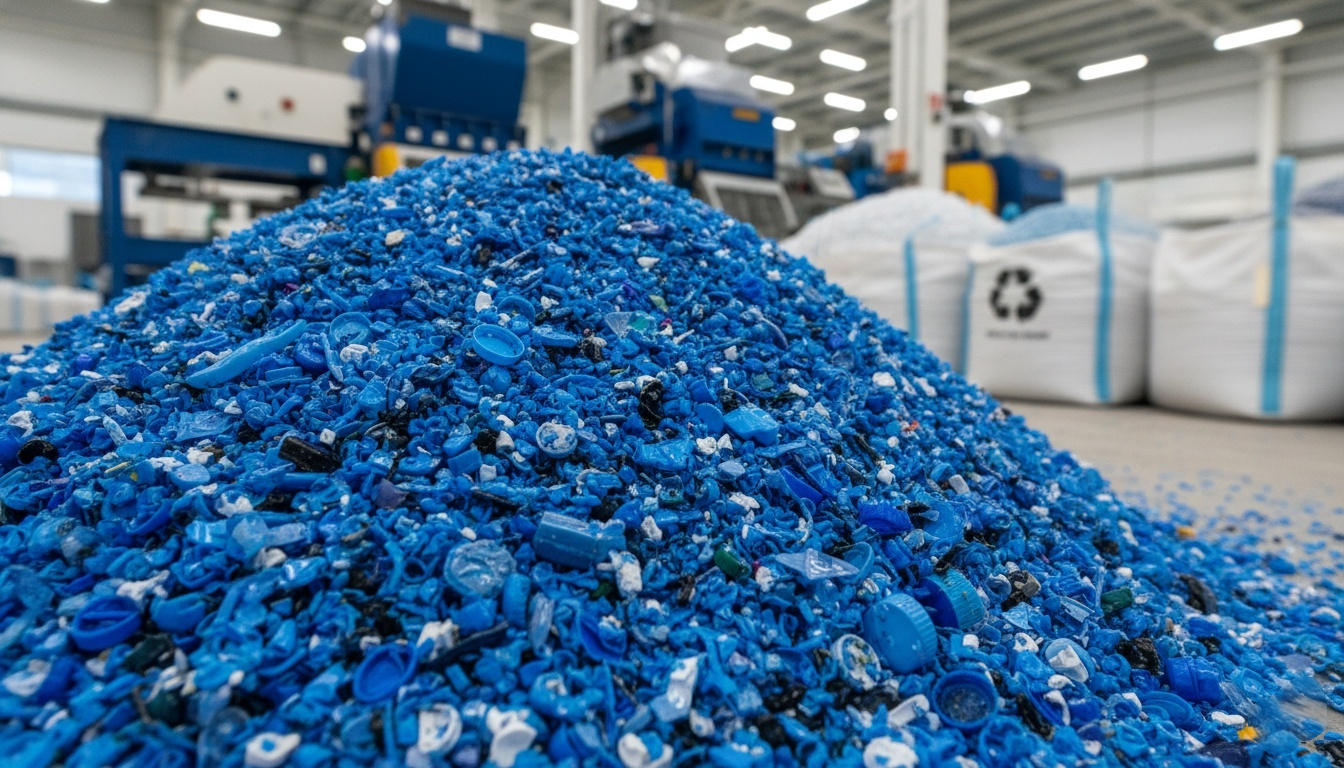
Plastic pallets are 100% recyclable. They offer superior environmental benefits over wood alternatives. Furthermore, they eliminate deforestation concerns. Additionally, they reduce waste through longer lifespans.
Sustainability and Circular Economy Benefits
Environmental stewardship drives many pallet decisions today. Here's how plastic pallets support sustainability goals:
Environmental Advantages:
- Zero deforestation impact unlike wood alternatives
- Longer lifespan reduces replacement frequency by 300-500%
- Chemical resistance eliminates contamination and premature disposal
- Lightweight design reduces transportation fuel consumption
End-of-Life Options:
- Mechanical recycling: Ground into pellets for new products
- Chemical recycling: Broken down to molecular level
- Energy recovery: Used as clean-burning fuel source
- Remanufacturing: Damaged pallets rebuilt to original specifications
Circular Economy Integration: Many companies now participate in closed-loop systems. We collect, refurbish, and redistribute pallets. This approach can reduce costs by 20-30%. Moreover, it achieves zero-waste-to-landfill goals. Consequently, companies improve their sustainability metrics.
Certification Programs:
- GRS (Global Recycled Standard) for recycled content
- Cradle to Cradle certification for circular design
- Carbon neutral shipping programs available
- Furthermore, LEED points contribution for green building projects
Conclusion
Pallets are the invisible foundation of modern commerce. Choosing plastic options delivers superior performance. Additionally, they provide sustainability and long-term value for serious operations