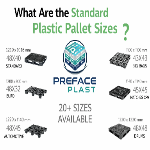
Struggling to find the right plastic pallet for your business? You're not alone—choosing between injection molded1, assembled, and composite options can be overwhelming without proper guidance.
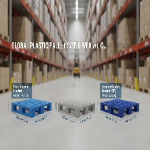
The three main types of plastic pallets2 are injection molded1 (one-piece construction for maximum durability3), assembled (modular design for customization4), and composite (eco-friendly with recycled content). Your choice depends on volume, budget, and specific application requirements.
[Image placeholder: Three types of plastic pallets2 side by side comparison]
Understanding these differences is crucial for making an informed decision that impacts your operational efficiency, costs, and long-term success. Let's dive deeper into each type to help you select the perfect solution.
What Makes Injection Molded Pallets the Most Durable Option?
Need maximum strength and consistency for high-volume operations? Injection molded pallets offer unmatched durability3 through their seamless, one-piece construction that eliminates weak points.
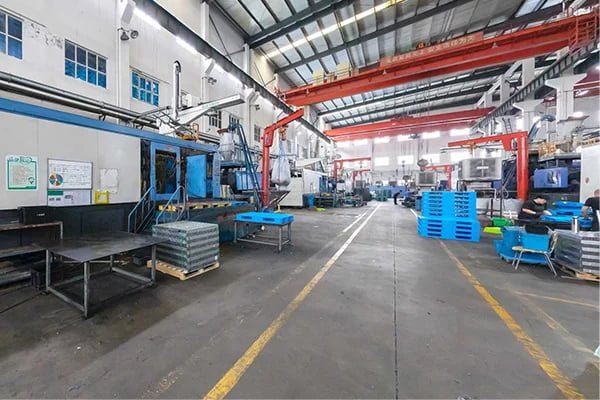
Injection molded pallets are manufactured in a single molding process, creating seamless construction with superior load-bearing capacity5 (up to 6,600 lbs), excellent chemical resistance6, and consistent dimensional accuracy ideal for automated systems.
Why Choose Injection Molded Pallets?
The injection molding process creates pallets with exceptional structural integrity by eliminating joints and seams that typically become failure points. This manufacturing method involves injecting molten plastic (usually HDPE or PP) into precision steel molds under high pressure, resulting in uniform wall thickness and consistent quality.
| Key Advantages | Performance Metrics | Best Applications |
|---|---|---|
| Seamless design | Load capacity: 2,200-6,600 lbs | Food & beverage industry |
| Chemical resistance | Temperature range: -40°F to 180°F | Pharmaceutical sector |
| Easy cleaning | Precision: ±0.1mm tolerance | Export operations |
| RFID integration | Lifespan: 10+ years | Automated warehouses |
The primary consideration is the higher initial investment due to tooling costs, making them most cost-effective for high-volume orders (500+ units) with standard dimensions.
How Do Assembled Pallets Offer Maximum Flexibility?
Looking for customization4 options and easy repairs? Assembled pallets provide modular design flexibility that allows you to adapt to changing needs while maintaining cost-effective maintenance.
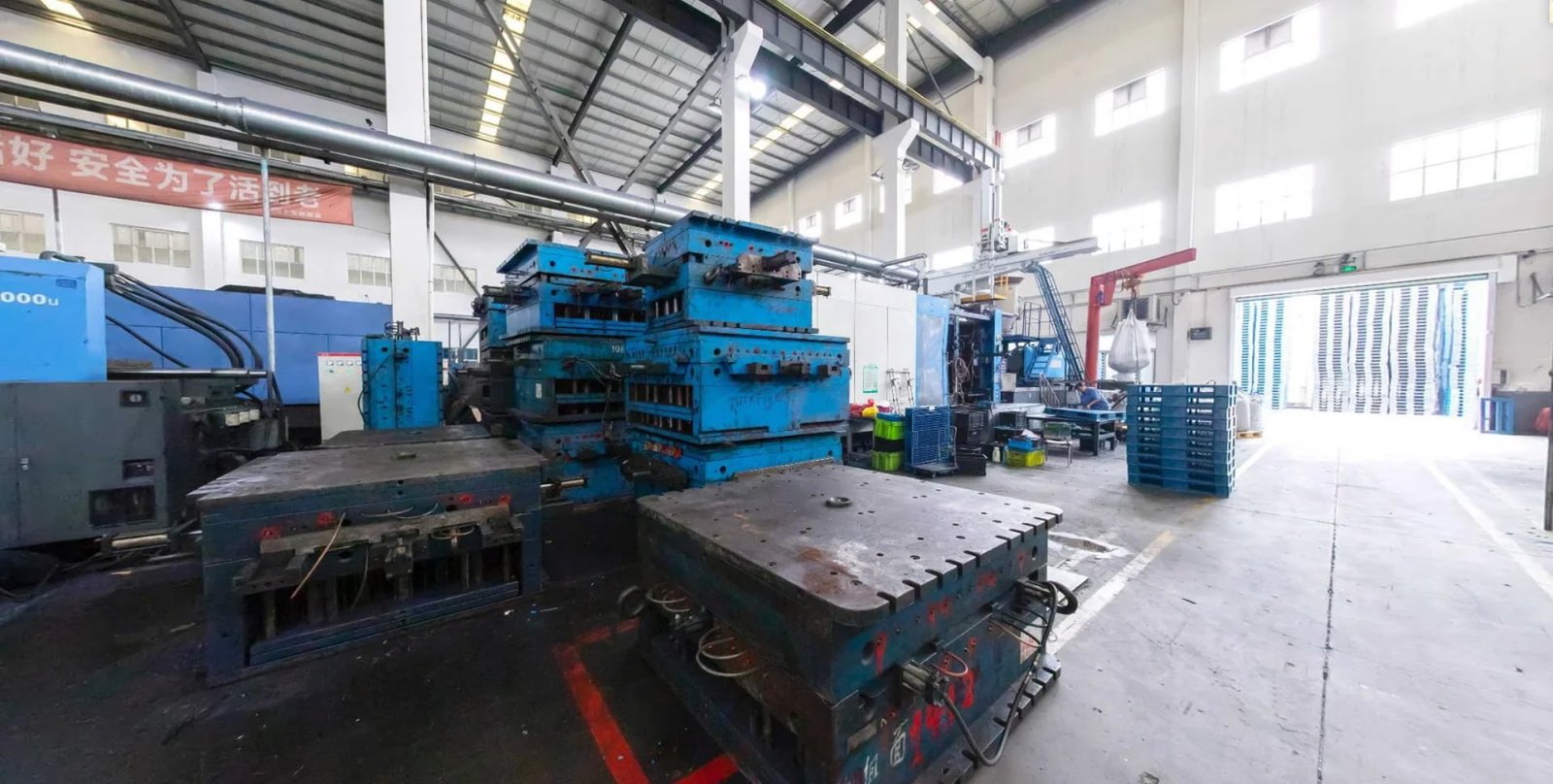
Assembled pallets consist of multiple plastic components joined through fastening methods, enabling custom configurations, easy part replacement, and lower initial investment compared to injection molded1 alternatives.
Understanding Assembled Pallet Benefits
Assembled pallets excel in applications requiring customization4 or where repairability7 is essential. The modular construction allows manufacturers to create unique configurations by combining different deck styles, entry types, and reinforcement options. When damage occurs, you replace only the affected components rather than the entire pallet.
| Customization Options | Cost Benefits | Maintenance Advantages |
|---|---|---|
| Custom dimensions | 15-25% lower initial cost | Component-level repairs |
| Branding integration | Minimal setup fees | Extended service life |
| Specialized features | Small order quantities (50+ units) | Reduced replacement costs |
| Color matching | Scalable production | Easy spare parts inventory |
This flexibility makes assembled pallets8 ideal for businesses with specific requirements, lower volume needs, or those prioritizing long-term serviceability9 over initial durability3.
Why Are Composite Pallets the Eco-Friendly Choice?
Want to reduce environmental impact10 without compromising performance? Composite pallets combine recycled materials with fiber reinforcement to deliver sustainable solutions that meet both performance and environmental goals.
Composite pallets incorporate 25-50% recycled content with natural or synthetic fiber reinforcement, offering excellent strength-to-weight ratio while reducing carbon footprint and supporting circular economy principles.
Composite Pallet Performance Analysis
These pallets represent the intersection of sustainability11 and performance, utilizing advanced material science to create products that often outperform traditional options. The fiber reinforcement enhances structural properties while recycled content reduces environmental impact10.
| Environmental Benefits | Performance Characteristics | Industry Applications |
|---|---|---|
| 25-50% recycled content | Weight: 40-50 lbs | Retail distribution |
| Lower carbon footprint | Excellent moisture resistance | Sustainable packaging |
| 100% end-of-life recyclable | Superior dimensional stability | Chemical manufacturing |
| Reduced deforestation impact | Enhanced fire resistance | Automotive industry |
The manufacturing process requires less energy than virgin plastic production, and the longer lifespan (compared to wood) means fewer replacements over time, contributing to overall sustainability11 goals.
How Do You Choose the Right Pallet Type for Your Business?
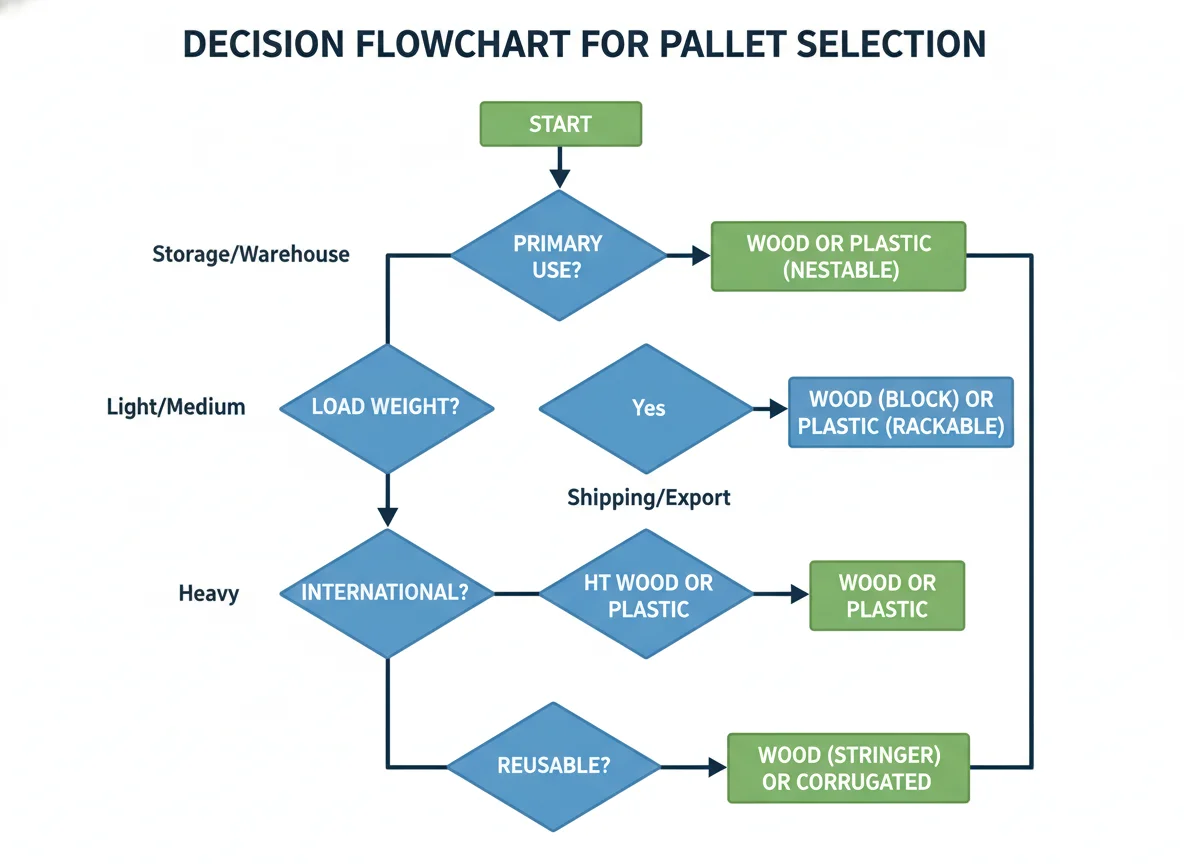
Confused by the options? The selection process depends on five critical factors: volume requirements12, budget constraints, customization4 needs, environmental priorities, and specific industry requirements.
Choose injection molded1 for high-volume standard applications, assembled for customization4 and repairability7 needs, or composite for environmental sustainability11 without performance compromise. Consider volume, budget, and long-term requirements.
Decision Framework Analysis
Making the right choice requires evaluating your specific situation against each pallet type's strengths. Consider both immediate needs and long-term operational goals to ensure optimal return on investment.
| Decision Factors | Injection Molded | Assembled | Composite |
|---|---|---|---|
| Volume (annual) | 1000+ units | 50-500 units | 200-1000 units |
| Budget priority | Performance first | Cost optimization | Balanced approach |
| Customization | Limited options | High flexibility | Moderate options |
| Environmental focus | Standard | Repairability focus | Sustainability priority |
| Industry fit | Food/pharma | Automotive/specialty | Retail/distribution |
Remember that total cost of ownership13 includes not just purchase price but also maintenance, replacement frequency, and potential productivity gains from optimal pallet selection.
Conclusion
Choose injection molded1 for durability3, assembled for flexibility, or composite for sustainability11—your decision should align with volume needs and business priorities.
About Preface Plast
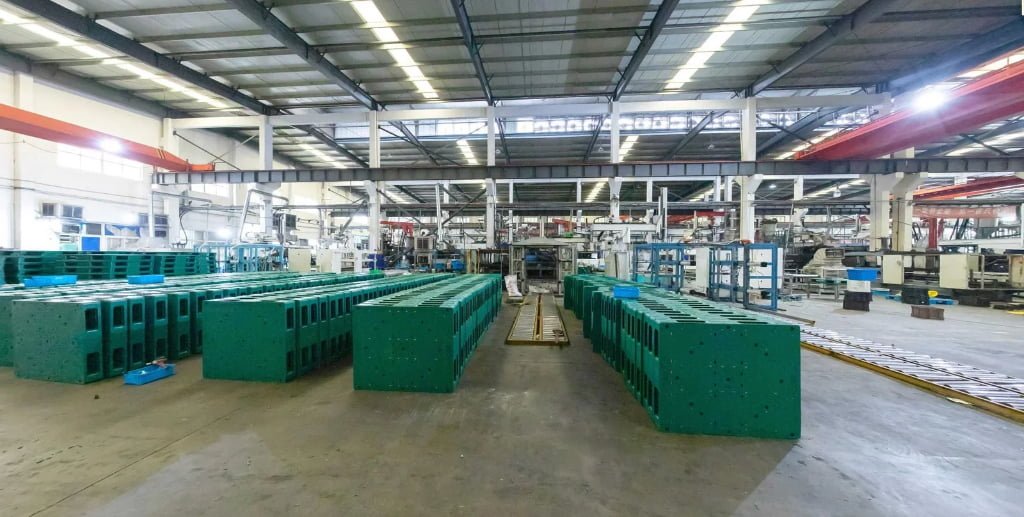
Preface Plast is a leading plastic pallet manufacturer with over 20 years of production experience, headquartered in China. We provide high-quality, customized plastic pallet solutions for brand owners, wholesalers, and distributors worldwide. Our facility operates 60+ injection/rotational molding machines, each supervised by quality control14 personnel with 5+ years of experience to ensure consistent quality.
Services
- Products: Comprehensive plastic pallet solutions
- Customization: Custom colors, logos, and molds
- International Certifications: ISO 9001, CE, REACH, ROHS, SGS, FDA, GRS
Quality Assurance
- Material Testing: RoHS and REACH compliant materials meeting international strength requirements
- Precision Manufacturing: Automated injection molding with ±0.1mm accuracy
- Quality Control: 100% factory inspection and ISO 9001 sampling protocols
- Certifications: ISO 9001, CE, REACH, ROHS, SGS, FDA standards
Production Capabilities
- High-Quality Manufacturing: 60+ injection/rotational molding machines following ISO 9001 standards
- Premium Customization: Tailored solutions for global brands
- Flexible Solutions: Custom manufacturing to enhance market competitiveness
Global Impact
Serving customers worldwide with reliable plastic pallets2 and custom logistics packaging solutions, driving business growth and customer trust.
About Our Client
Typical User Profile: Procurement Manager/CEO/Pallet Distributor
-
Basic Information:
- Name: Manager Li (Example)
- Position: Procurement/CEO
- Industry: Warehousing, logistics, pharmaceutical, beverage, flour industries
- Company: Pallet product distributor
-
Responsibilities:
- Managing procurement projects ensuring quality and delivery
- Ensuring product compliance and cost optimization15
-
Needs & Pain Points:
- High-quality, durable products
- Price sensitivity
- Stable, efficient supply chain support
-
Value Expectations:
- Reduced procurement risks
- Enhanced brand reputation
- Lower warranty costs
- Reliable delivery schedules
Learn why injection molded pallets are preferred for durability and strength in high-volume operations. ↩
Explore the advantages of plastic pallets for efficiency and cost savings in logistics. ↩
Understand the significance of durability in choosing the right pallet for your business. ↩
Explore how customized pallets can meet specific operational needs and improve efficiency. ↩
Discover the load capacities of different pallet types to ensure safe transportation. ↩
Find out how chemical resistance can protect your products during storage and transport. ↩
Understand the importance of repairability in extending the lifespan of pallets. ↩
Discover how assembled pallets can adapt to changing needs and offer cost-effective solutions. ↩
Understand how long-term serviceability can impact your overall logistics strategy. ↩
Learn about the sustainability benefits of using plastic pallets in your supply chain. ↩
Explore how composite pallets support sustainable practices in logistics. ↩
Discover how understanding volume needs can guide your pallet choice. ↩
Explore the concept of total cost of ownership to make informed pallet decisions. ↩
Learn about quality control measures that ensure high standards in pallet production. ↩
Learn strategies for cost optimization through effective pallet choices. ↩