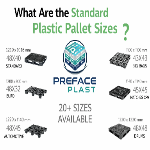
Most people see these platforms everywhere but never understand their importance. Furthermore, businesses lose millions annually by choosing wrong types. Additionally, poor decisions create supply chain nightmares1.
These flat transport structures2 support goods during storage and transportation. They enable efficient handling with forklifts and other machinery. This standardizes cargo movement across global supply chains for cost-effective logistics operations.
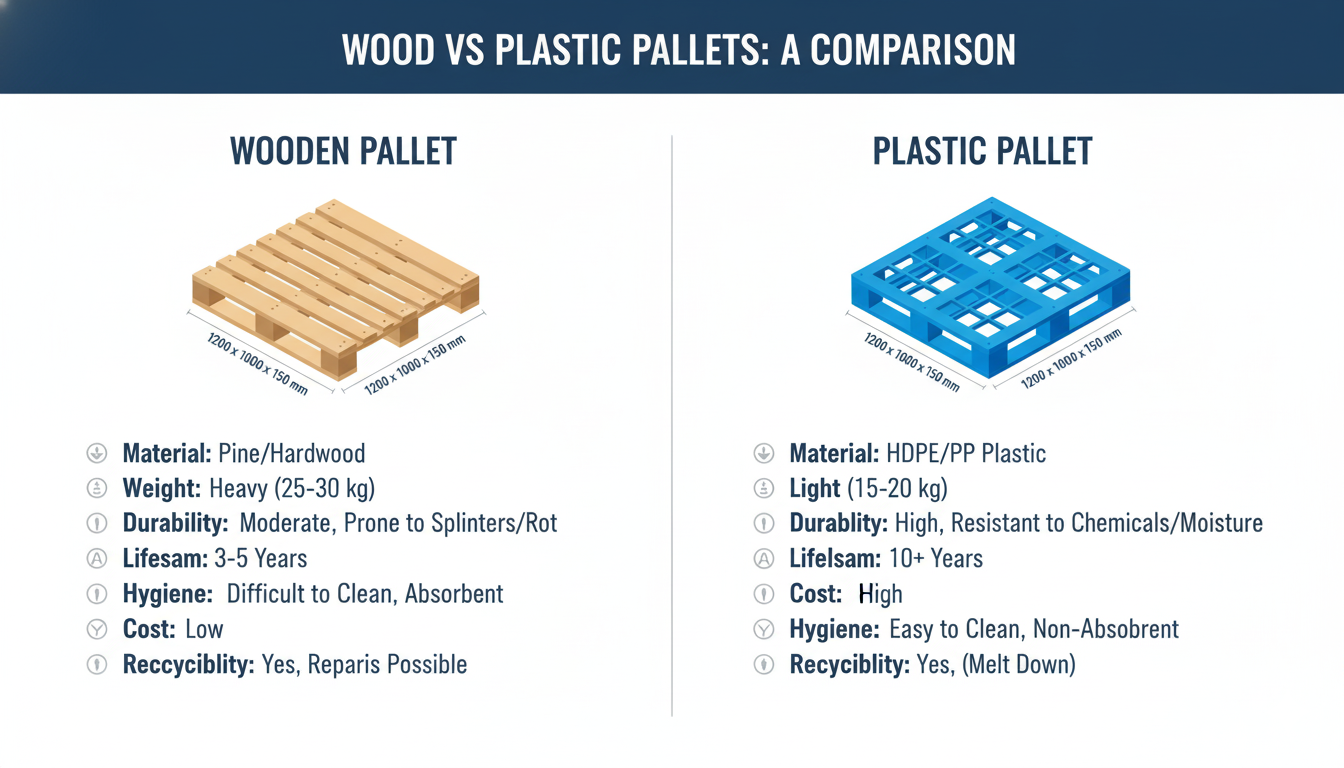 After manufacturing these platforms for over 20 years, I have witnessed evolution from basic wooden structures to sophisticated plastic solutions. Moreover, they revolutionized how we move products worldwide. Therefore, understanding fundamentals helps businesses make better logistics decisions.
What Are Pallets and How Did They Develop Throughout History?
Early logistics relied on manual labor for moving heavy cargo. Additionally, workers suffered injuries from lifting awkward loads. Furthermore, inefficient handling methods increased costs and damaged products regularly.
These transport structures emerged in the 1920s during America's industrial boom. They started as wooden skids for moving heavy machinery. The automotive industry drove early adoption while World War II accelerated global standardization.
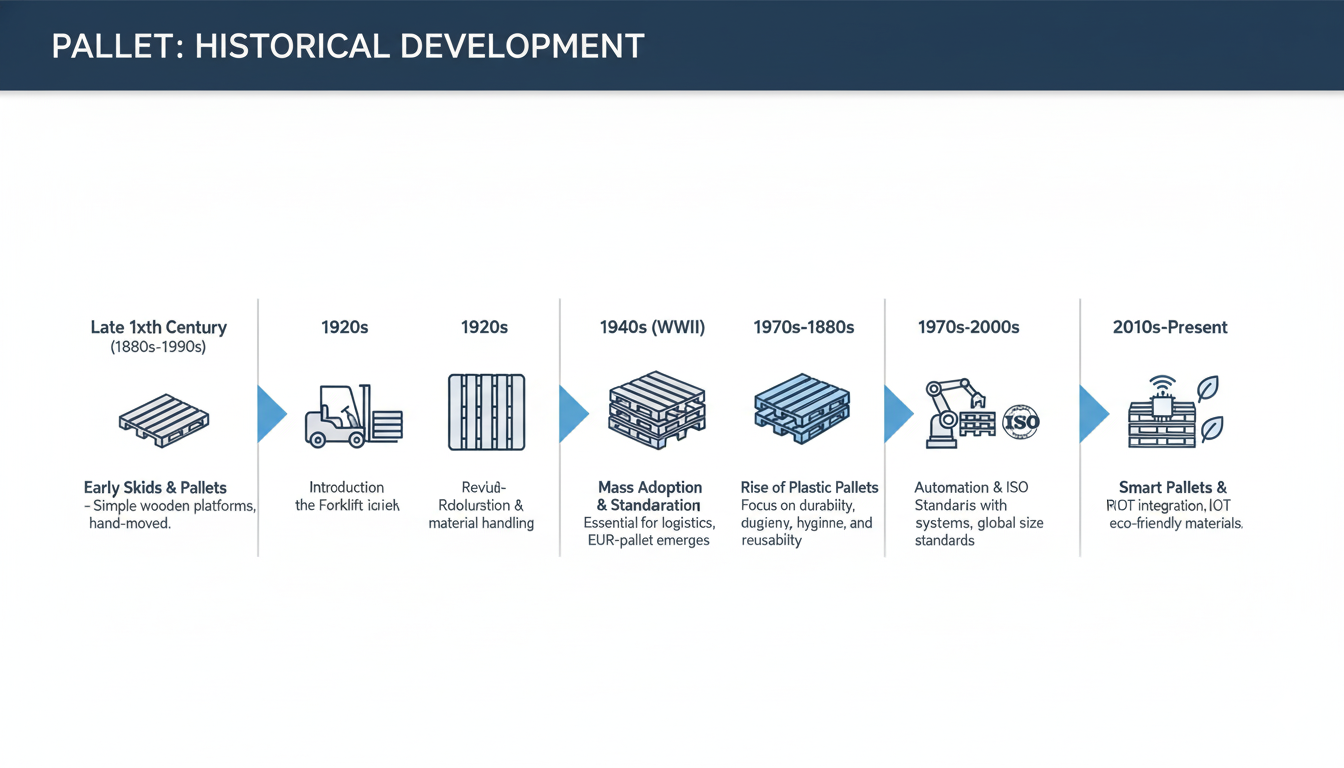 The revolution began with America's automotive boom in the 1920s. Additionally, Henry Ford's assembly lines required efficient material handling solutions. Therefore, manufacturers developed wooden skids to move heavy car parts between production stations.
Early Industrial Applications
World War II marked a turning point in adoption. Furthermore, military logistics demanded standardized cargo handling for rapid deployment. Similarly, the U.S. military standardized sizes to optimize aircraft and ship loading capacity.
The 1940s-1950s brought forklift technology to warehouses worldwide. Moreover, this mechanization transformed design requirements completely. Therefore, manufacturers began producing structures specifically engineered for mechanical handling equipment.
| Time Period | Key Development | Primary Material | Industry Driver |
|---|---|---|---|
| 1920s | First wooden skids | Wood | Automotive manufacturing |
| 1940s | Military standardization | Wood | World War II logistics |
| 1950s | Forklift integration | Wood | Industrial mechanization |
| 1960s | International standards | Wood/Steel | Global trade expansion |
| 1980s | Plastic introduction | Plastic | Hygiene requirements |
| 2000s | Smart versions | Mixed materials | Technology integration |
European countries developed their own standards after the war. However, this created compatibility issues in international trade. Additionally, different regions prioritized various factors like cost, durability, and local material availability.
What Are Pallets Made of Plastic and What Types Exist Today?
Wooden versions dominated for decades but created hygiene and durability problems. Additionally, international shipping regulations restricted wooden movement. Furthermore, industries needed cleaner, lighter alternatives for sensitive products.
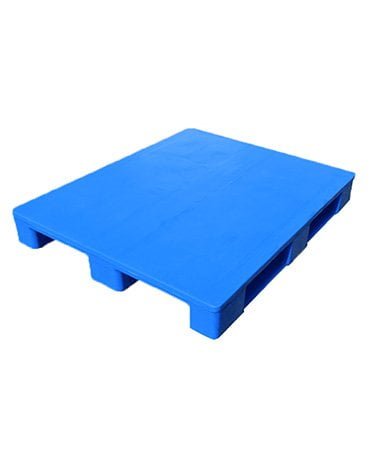
Modern plastic versions include injection-molded3, rotational-molded4, thermoformed, and composite varieties5. Each type offers different strengths, weights, and cost structures. They meet specific industry requirements like food safety or chemical resistance6.
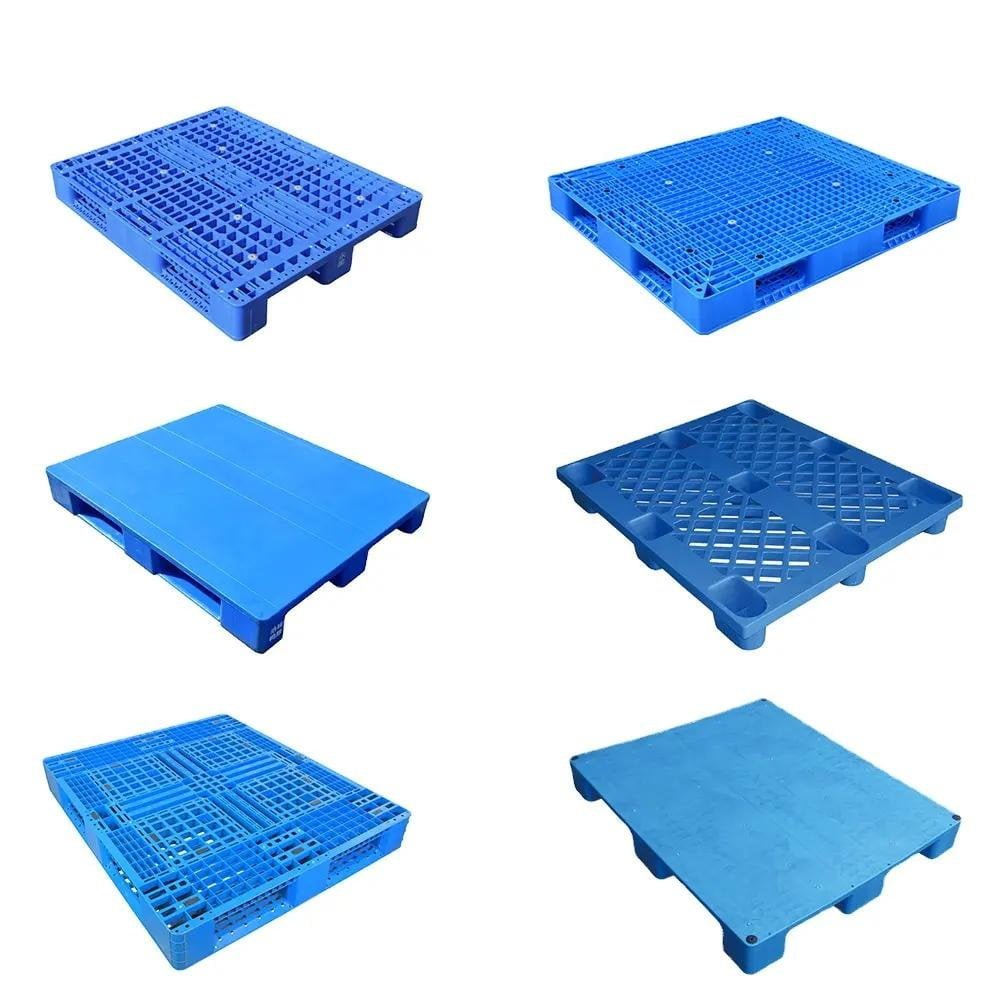 Plastic manufacturing uses several distinct production methods. Moreover, each method creates structures with different characteristics and applications. Therefore, understanding these differences helps buyers select optimal solutions.
Manufacturing Methods and Characteristics
Injection molding creates the strongest plastic versions through high-pressure injection. Additionally, this process produces precise dimensions and smooth surfaces. These work ideal for automated systems. However, injection molding requires expensive tooling that increases initial costs.
Rotational molding produces hollow structures through heated mold rotation. Furthermore, this method creates lightweight yet durable options at lower tooling costs. Similarly, rotomolded versions offer excellent chemical resistance6 for harsh environments.
| Type | Manufacturing Method | Weight Range | Typical Applications |
|---|---|---|---|
| Injection Molded | High-pressure injection | 15-45 lbs | Automotive, electronics |
| Rotational Molded | Heated mold rotation | 8-25 lbs | Chemical, pharmaceutical |
| Thermoformed | Heat-pressed sheets | 5-15 lbs | Food processing, retail |
| Structural Foam | Gas-injected molding | 20-40 lbs | Heavy-duty industrial |
| Composite | Mixed materials | 12-35 lbs | Specialized applications |
Thermoformed versions use heated plastic sheets pressed into mold shapes. Additionally, this process creates lightweight, cost-effective options for single-use applications. However, thermoformed versions7 offer limited durability compared to injection-molded3 alternatives.
How Do Different Industries Apply These Transport Platforms?
Various industries face unique material handling challenges. Moreover, food companies need sanitizable surfaces. Chemical companies require corrosion resistance. Therefore, plastic versions evolved to meet these specialized requirements effectively.
Food and beverage industries use FDA-approved plastic8 versions for hygiene compliance. Pharmaceutical companies require cleanroom-compatible designs9. Chemical industries need structures resistant to acids and corrosive substances.
Food and beverage companies switched to plastic versions for sanitation benefits. Additionally, plastic resists bacteria growth and cleans easily with pressure washing. Furthermore, FDA-approved materials ensure food safety compliance throughout the supply chain.
Industry-Specific Requirements
Pharmaceutical companies demand ultra-clean surfaces for sterile environments. Moreover, plastic versions avoid contamination risks from wood splinters or chemical treatments. Similarly, pharmaceutical options often feature special designs for cleanroom compatibility.
Chemical industries require structures that resist aggressive substances. Furthermore, plastic handles acids, bases, and solvents without degradation. Additionally, non-absorbent surfaces prevent chemical contamination between different products.
| Industry | Primary Requirements | Preferred Features | Regulatory Compliance |
|---|---|---|---|
| Food & Beverage | Hygiene, cleanability | Smooth surfaces, FDA materials | FDA, USDA, HACCP |
| Pharmaceutical | Sterility, contamination control | Cleanroom compatible, non-porous | GMP, FDA, ISO 14644 |
| Chemical | Chemical resistance, safety | Non-reactive materials | OSHA, EPA, DOT |
| Automotive | Durability, precision | High load capacity, dimensional stability | ISO/TS 16949 |
| Electronics | Static control, cleanliness | Anti-static options, particle-free | IPC standards |
Automotive manufacturers use heavy-duty plastic versions for parts transportation. Additionally, these must withstand repetitive use in automated systems. Therefore, automotive options feature reinforced designs and precise dimensions for robotic handling.
What Are the Key Usage Differences Between Various Materials?
Material choice dramatically affects performance and costs. Additionally, wooden options dominate due to low initial costs but create long-term problems. Furthermore, plastic and metal versions offer advantages in specific applications.
Wooden versions cost less initially but require frequent replacement and pest treatment. Plastic options offer superior hygiene and durability with higher upfront costs. Metal versions provide maximum strength but weigh significantly more.
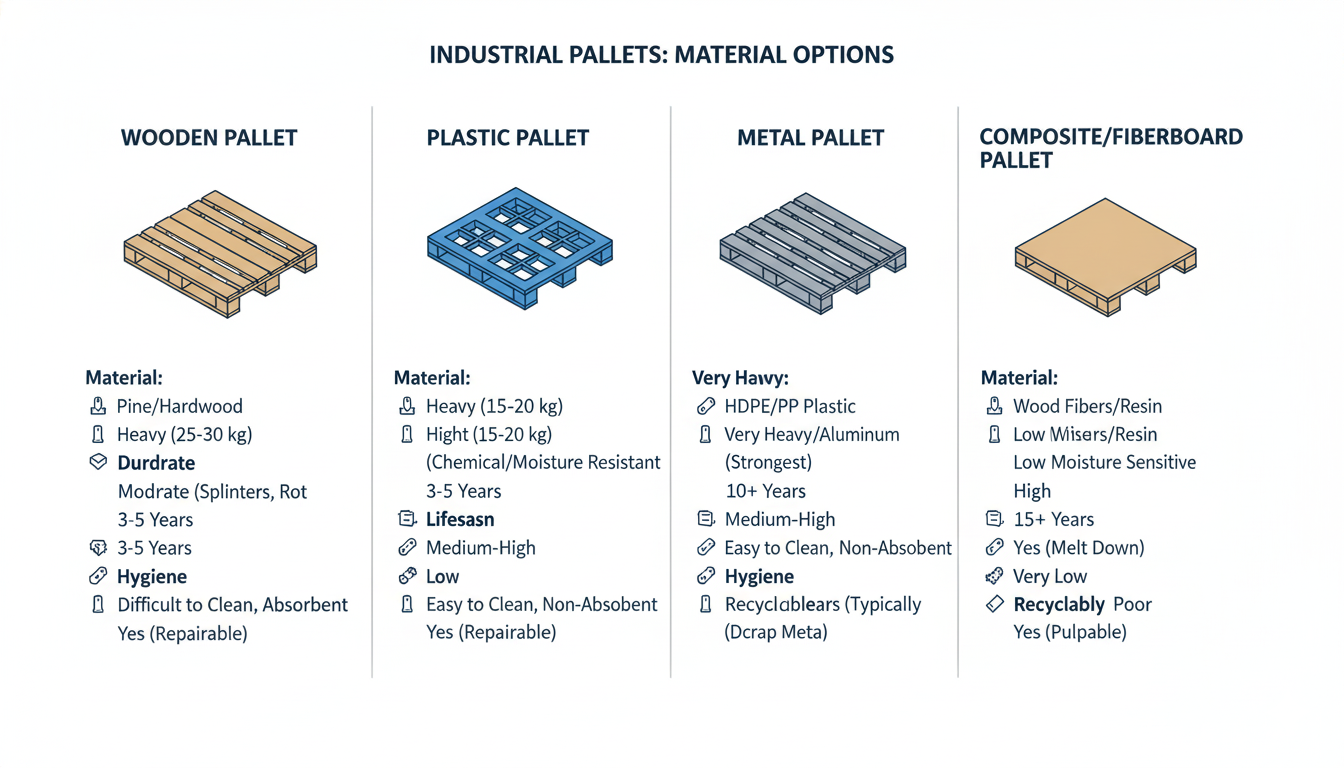 I have observed dramatic cost differences between materials over their lifecycles. Moreover, wooden versions seem cheaper initially but hidden costs accumulate rapidly. Therefore, businesses should evaluate total cost of ownership rather than purchase price alone.
Lifecycle Cost Analysis
Wooden versions require regular replacement due to damage and wear. Additionally, international shipping often demands expensive heat treatment10 for pest control. Furthermore, wooden options splinter and harbor bacteria in food applications.
Plastic versions cost more upfront but last significantly longer than wood. Moreover, plastic cleans easily and resists weather damage completely. Similarly, plastic maintains appearance and functionality through hundreds of use cycles.
| Material | Initial Cost | Lifespan (trips) | Maintenance Needs | Environmental Impact |
|---|---|---|---|---|
| Wood | $15-25 | 10-50 trips | High (repair, treatment) | Biodegradable but wasteful |
| Plastic | $45-120 | 100-300 trips | Low (washing only) | Recyclable, long-lasting |
| Metal | $80-200 | 500+ trips | Medium (rust prevention) | Highly recyclable |
| Cardboard | $5-12 | Single use | None | Biodegradable, renewable |
Metal versions excel in heavy-duty applications requiring maximum strength. However, metal weighs more and costs significantly more than alternatives. Additionally, metal can rust in humid environments without proper treatment.
How Has the Plastic Supply Chain Evolved Globally?
Global trade expansion created demand for standardized solutions. Additionally, manufacturing shifted to regions with cost advantages and technical expertise. Furthermore, supply chains concentrated around major industrial centers worldwide.
China became the world's largest producer. They developed three major manufacturing clusters in Shandong, Jiangsu, and Guangdong provinces. These regions serve different market segments from export manufacturing to domestic distribution networks.
China's plastic industry evolved rapidly over the past two decades. Moreover, different regions specialized in serving specific market segments effectively. Therefore, understanding these regional strengths helps buyers source more efficiently.
Regional Manufacturing Specializations
Shandong province11 leads in export-oriented plastic manufacturing. Additionally, companies like Preface Plast12 established comprehensive production capabilities in Qingdao's Huangdao District. Furthermore, Shandong manufacturers expanded with branches in Taizhou, Changzhou, Shanghai, Anlu, and Chengdu.
Jiangsu province focuses on high-tech solutions around Suzhou, Wuxi, and Zhenjiang cities. Moreover, these manufacturers serve China's electronics and automotive industries. They provide precision-engineered products. Similarly, Jiangsu companies invest heavily in automation and quality control systems.
| Region | Primary Focus | Key Cities | Market Served | Specialization |
|---|---|---|---|---|
| Shandong | Export manufacturing | Qingdao, Weifang | International markets | Cost-effective production |
| Jiangsu | High-tech applications | Suzhou, Wuxi, Zhenjiang | Electronics, automotive | Precision engineering |
| Guangdong | Innovation hub | Guangzhou, Shenzhen | Emerging technologies | Smart versions, IoT |
| Hebei | Domestic supply | Xingtai, Langfang, Baoding | Chinese factories | Basic industrial options |
Hebei province serves China's domestic manufacturing base with cost-effective solutions. Additionally, Hebei manufacturers focus on standard designs for local factories and distribution centers. Furthermore, this regional specialization creates efficient supply chains for different customer segments.
What Does the Future Hold for Plastic Development?
Traditional versions lack tracking capabilities in modern supply chains. Additionally, sustainability concerns drive demand for recyclable materials. Furthermore, automation requires enhanced technological features.
Future plastic versions will integrate IoT sensors13 for real-time tracking. They will use recycled ocean plastic14 for sustainability. Features will optimize for robotic handling in automated warehouses15 and distribution centers.
Technology integration represents the next frontier in evolution. Moreover, Internet of Things sensors enable real-time cargo tracking throughout supply chains. Therefore, smart versions provide valuable data for inventory management and loss prevention.
Emerging Technologies and Trends
RFID and GPS tracking16 capabilities transform these into intelligent logistics tools. Additionally, these technologies help companies monitor product location, temperature, and handling conditions continuously. Furthermore, data analytics optimize routing and reduce transportation costs significantly.
Sustainable materials drive innovation in plastic manufacturing. Moreover, recycled ocean plastic14 creates environmentally responsible products while maintaining performance standards. Similarly, bio-based plastics offer renewable alternatives to traditional petroleum-based materials.
| Technology Trend | Current Status | Expected Timeline | Potential Benefits |
|---|---|---|---|
| IoT Integration | Early adoption | 2-5 years | Real-time tracking, data analytics |
| Ocean plastic use | Pilot programs | 1-3 years | Environmental sustainability |
| Automated compatibility | Development phase | 3-7 years | Robotic handling optimization |
| Blockchain tracking | Testing | 5-10 years | Supply chain transparency |
| Biodegradable options | Research phase | 5-10 years | End-of-life disposal solutions |
Robotic warehouse systems require structures designed for automated handling. Additionally, precise dimensions and sensor-friendly surfaces enable seamless robot interaction. Furthermore, standardized designs across manufacturers improve automation compatibility.
How Should Companies Choose the Right Plastic Option?
Wrong selection creates ongoing operational problems. Moreover, buyer
Learn proven strategies to prevent costly supply chain disasters that could save your business thousands in operational losses. ↩
Discover comprehensive guides on selecting optimal transport structures that will revolutionize your warehouse efficiency and reduce costs. ↩
Explore detailed comparisons of injection-molded solutions that could transform your material handling efficiency and durability. ↩
Uncover the unique benefits of rotational-molded designs that might be the perfect solution for your specific industry needs. ↩
Explore advanced composite materials that offer unique combinations of strength, weight, and performance for specialized industrial uses. ↩
Discover chemical-resistant options that could protect your products and prevent costly contamination in harsh industrial environments. ↩
Learn about cost-effective thermoformed options that could provide the perfect balance of performance and affordability for your needs. ↩
Find essential information about FDA-compliant solutions to ensure your food business meets all safety and regulatory requirements. ↩
Access specialized knowledge about cleanroom solutions that could be critical for your pharmaceutical or medical device operations. ↩
Understand critical international shipping requirements that could prevent costly delays and compliance issues in global trade operations. ↩
Connect with top-tier manufacturers in China's largest production hub to access competitive pricing and reliable supply chains. ↩
Connect with established manufacturers who have proven track records in delivering quality solutions for diverse industrial applications. ↩
Stay ahead of the curve with cutting-edge IoT technology that could revolutionize your inventory management and tracking capabilities. ↩
Explore sustainable solutions that help your company meet environmental goals while maintaining operational excellence and performance. ↩
Future-proof your operations with automation-ready solutions designed for seamless integration with robotic handling systems. ↩
Unlock the power of real-time tracking technology that provides unprecedented visibility and control over your supply chain operations. ↩